LONDON — More people have fallen ill in a salmonella outbreak that the UK Health Security Agency is investigating, with imported eggs or dishes containing them now the leading suspects. Early evidence suggests many of the illnesses were picked up while eating out, rather than in the home, which points investigators towards restaurants, cafes and take-aways as possible parts of the chain. The agency says there is still much to confirm, including the exact source of the contaminated food and how widely it has moved through supply lines.
Health officials are using genetic testing and interviews with affected people to build the picture. So far, the evidence points to a shared source, but not yet to a single named business or country of origin. The UKHSA says the inquiry is continuing because several pieces of the puzzle remain unresolved.
What salmonella is and how people catch it
Salmonella is a group of bacteria that can live harmlessly in the digestive systems of animals such as cattle, pigs and chickens. That is why eggs and poultry are often linked with the infection. The bacteria are passed out in animal faeces and can reach food or water if hygiene controls fail.
People can pick up the infection by eating food that has not been cooked properly, drinking contaminated water, touching infected animals or through cross-contamination in the kitchen, such as when raw food comes into contact with cooked food. Person-to-person spread is rare. The current outbreak is being treated as a food-linked event, rather than a problem that seems to be spreading directly between people.
Symptoms usually include stomach cramps, diarrhoea, vomiting and fever. They tend to begin 12 to 72 hours after infection. Most people recover without specialist treatment, but older adults, babies and people with weakened immune systems face the highest risk of severe illness.
Why the investigation is pointing towards imported eggs
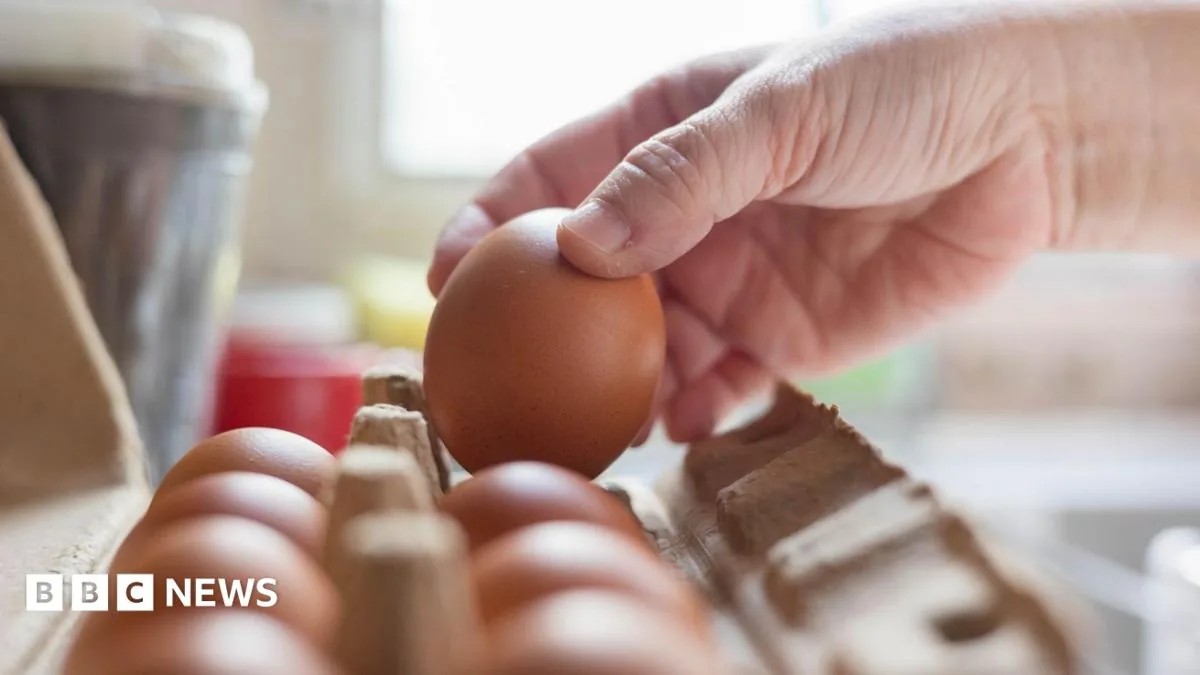
The strongest clue so far is that several people who became ill said they had eaten dishes containing eggs. UKHSA experts have also linked five businesses or food outlets to the outbreak, although none has been named. Investigators believe those premises may have used eggs from several suppliers, including imported sources, which makes tracing the problem more complicated.
Genetic testing has added weight to the theory. The bacteria involved are closely related, with only a handful of DNA differences, showing the cases belong to the same outbreak. The pattern also appears similar to a previous outbreak involving imported eggs. At this stage, however, the UKHSA says there is no identified link to UK-produced eggs or poultry.
Some local areas have raised questions about hygiene practices, and the Food Standards Agency has already issued guidance to catering businesses on egg storage and handling. Officials are focusing on food served outside the home because that is where the clearest connection appears to be.
Where cases have been found and how British eggs are normally protected
The majority of recent cases have been in England, including London and Yorkshire and Humber, but there have also been cases in Scotland, Wales and Northern Ireland. Because the infections are spread across several places, scientists have used whole-genome sequencing to confirm they are linked to the same outbreak. That method, often described as comprehensive genetic fingerprinting, helps officials identify common sources even when cases are geographically scattered.
British eggs are usually protected by a combination of vaccination, testing and traceability rules. Commercial hens in the UK have been vaccinated against common salmonella strains since the mid-1990s, a step experts describe as a major public health success. The British Lion Scheme, launched in 1998, adds further controls, including strict standards for vaccination, testing and a passport system to track hens.
Experts say imported eggs and egg products may not always be produced under the same level of control, which is why investigators are examining supply chains carefully. The UKHSA has also alerted other countries so they can check for genetically similar infections.
What is still unclear as health officials trace the source
Investigators still need to confirm that eggs are definitely the source. The UKHSA is continuing to interview people who have tested positive, while local authorities carry out tests at businesses thought to be involved and undertake other opportunistic checks. Officials also need to map where eggs or egg products were stored, supplied and sold, because mixed sourcing can make it difficult to identify the original problem.
The next stage is to narrow the supply chain enough to limit any further infections. That means tracing the exact source and country of origin, then understanding how the bacteria entered the food chain. Dr Gauri Godbole of the UKHSA said outbreaks that grow this quickly are relatively unusual, which is why scientists will want to examine the factors behind this one.
For households, the practical advice remains unchanged. Eggs should be cooked thoroughly and handled hygienically, while infants, young children, pregnant people and older adults should only eat runny or raw eggs if they carry the British Lion mark or are produced under the Laid in Britain assurance scheme. People with weakened immune systems should follow medical advice.
The latest UK news and stories from Bailey Universe.