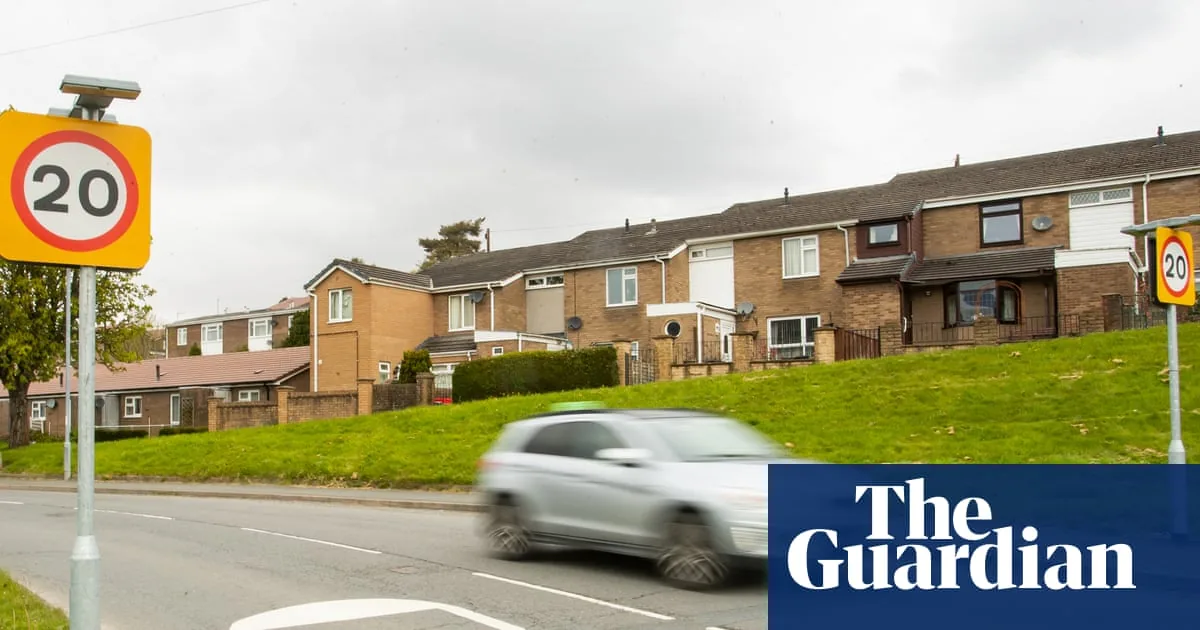
BIRMINGHAM — A planned blanket 20mph speed limit in Birmingham has prompted a sharp exchange over whether lower speeds will make roads safer and more reliable, or simply be ignored if enforcement remains weak. Supporters of the measure say evidence from Wales shows motorists can benefit as well as pedestrians and cyclists, with only small delays to journeys and fewer claims for vehicle damage. Critics, however, argue that speed limits already in place are often flouted, and say extending them will not change behaviour unless cameras and other enforcement are properly used.
The debate comes as campaigners for 20mph limits argue that what was once seen as radical is now becoming standard in towns and cities. Birmingham city council has put itself at the centre of that shift by considering a city-wide limit, with supporters saying the change reflects a wider move away from planning streets almost entirely around cars.
Supporters say lower speeds benefit drivers as well as walkers and cyclists
Rod King, founder and chair of 20’s Plenty for Us CIC, said the case for 20mph limits is no longer limited to people on foot or on bikes. He argued that the benefits extend to drivers too, because slower traffic can make road use calmer and more predictable.
He pointed to Welsh experience as evidence that motorists do not necessarily lose out. According to the campaign, average journey times increased by less than a minute, but journeys became more reliable. The group also says car, van and taxi occupant casualties on urban and village roads fell by 29.6% in the first year after wide-scale introduction, while insurance costs dropped by £45 for the average driver because damage claims fell by 20%.
King said the world has changed from the days when cars dominated city planning, and he described 20mph as becoming the new normal in the 2020s after being viewed as a fringe idea in earlier decades.
Campaigners say Wales shows wider safety and cost gains from 20mph limits
The Welsh example is being used by supporters to show that lower speed limits can reshape roads without causing major disruption for drivers. The campaign’s argument is that a modest increase in travel time is outweighed by the gains in reliability, fewer collisions and lower insurance costs.
They also say 20mph limits can encourage more people to walk or cycle instead of taking another car, which in turn reduces the pressure on roads. In their view, the result is a safer and less stressful environment for everyone in the community, including those who continue to drive.
Supporters say this is why the policy should be seen as practical rather than punitive. They argue it is not simply about restricting motorists, but about creating streets where different kinds of travel can coexist more safely.
For them, Birmingham’s proposal is part of a broader national trend rather than an isolated local decision.
Opponents say existing limits in Birmingham are often ignored
Not everyone in Birmingham is convinced that a wider 20mph zone will work in practice. John Hopkin, writing from Moseley, said many speed cameras were switched off around a decade ago in order to save money during austerity, and he argued that this has left current limits badly enforced.
He said that existing speed restrictions are already widely ignored, and sometimes enthusiastically so, particularly on residential roads where 20mph signs are already in place. In his view, that makes it unlikely that simply extending the limit will change how people drive.
His criticism goes to the heart of the local argument: whether a lower limit changes behaviour on its own, or whether it only works when drivers believe it will be enforced. The point is likely to remain central if Birmingham goes ahead with its plan.
The exchange shows how the policy is being framed in two different ways, as either a public safety measure or an unenforceable aspiration.
A wider shift as 20mph moves from fringe idea to normal practice
Backers of the policy say the broader direction of travel is clear. They argue that cities and villages are moving towards lower default speeds as councils try to make streets safer and more liveable, and that objections from motorists will fade as the change becomes more common.
King said some drivers will always resist what he sees as community needs being placed ahead of individual preference. But he added that the world has changed, and that 20mph is likely to become the norm in more urban and village settings over time.
For Birmingham, the decision is about more than a single speed limit. It is also a test of whether the city wants roads that prioritise caution and safety, or whether it believes current enforcement problems make the policy unworkable.
That tension between public benefit and practical compliance is likely to shape how the plan is received if council proposals move forward.
The latest UK news and stories from Bailey Universe.