LONDON — Women in England who have missed cervical screening appointments will be offered free HPV self-testing kits by the NHS, in a drive to reach millions who have not taken up the test. Over the next year, nearly four million women are due to receive an invite through the NHS App, or by text message, email or letter, so they can order a kit and carry out the test at home.
The move comes as official figures suggest around a third of women eligible for cervical screening have recently not come forward. NHS leaders say the self-testing option is intended to make it easier to check for high-risk HPV, the virus linked to almost all cervical cancer cases.
How the home kits will work and who will be contacted
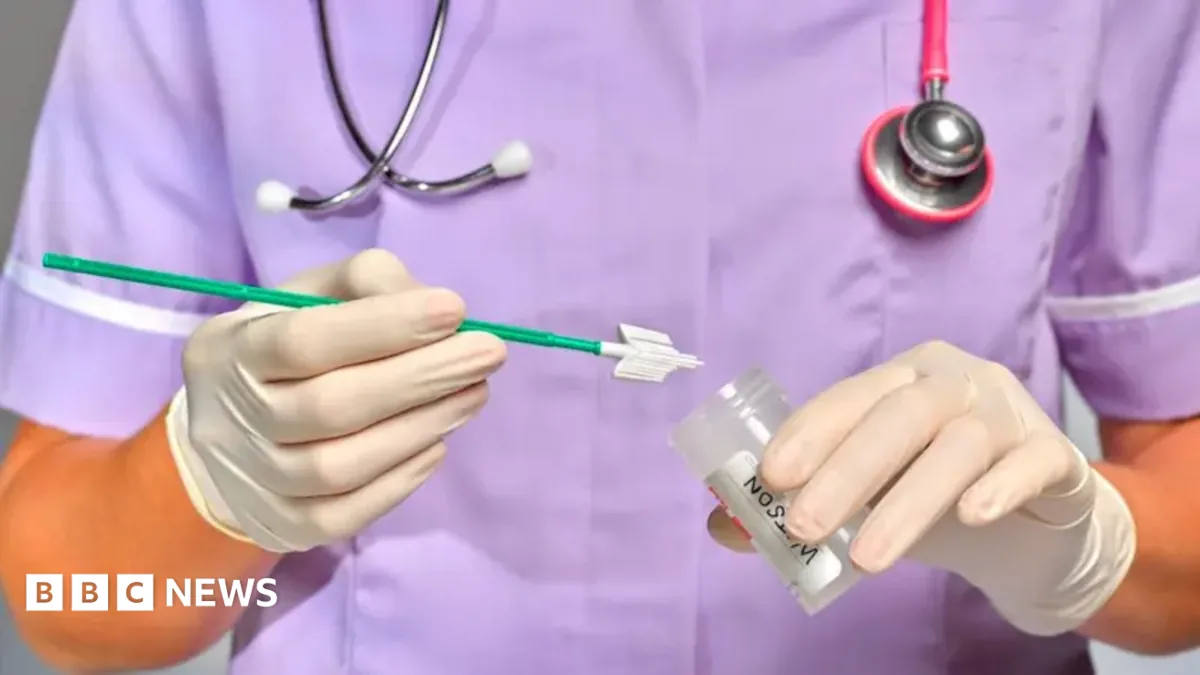
The kits include a swab similar to a long cotton bud, which is used to collect a sample from the vagina. That sample is then sent back to the NHS for testing.
If high-risk HPV is detected, the person will be invited to book a follow-up cervical screening appointment with a clinician. The NHS says the traditional screening appointment remains the best way to prevent cancer, even for people who have already missed one.
Women aged 24 to 64 are invited for cervical screening every five years, or more often if HPV is found. The new approach is aimed at those who have not responded to previous invitations, rather than replacing standard screening.
NHS officials say the alternative is designed to be discreet and convenient for people who have put off an appointment because of embarrassment, time pressures or concerns about discomfort.
Why the NHS says cervical screening matters
High-risk HPV raises the chance of developing cervical cancer, although it does not mean someone will definitely get the disease. Screening is important because cervical cancer often has no symptoms until it is more advanced and harder to treat.
The NHS wants more women to come forward after research and trials suggested self-testing could increase uptake. Trials in London indicated the approach could persuade one in 10 women to take part, which NHS planners say could mean about 400,000 extra screenings a year.
The health service is also relying on the message that early detection can save lives. Women who miss routine checks may not realise they have anything wrong, which is why the invitation to screen is being treated as a key part of cancer prevention.
The programme sits alongside HPV vaccination for teenagers, which the NHS says is part of its wider aim to eliminate cervical cancer by 2040.
Women’s health leaders and patients urge people not to ignore invites
Dr Sue Mann, the NHS national clinical director for women’s health, said offering millions of women an alternative test they can do at home would be a major step forward. She said it should make screening easier for those who would otherwise miss out, and help overcome concerns about embarrassment, lack of time and discomfort.
Health Secretary Yvette Cooper said cervical cancer is preventable and that the aim is to make screening as easy and convenient as possible.
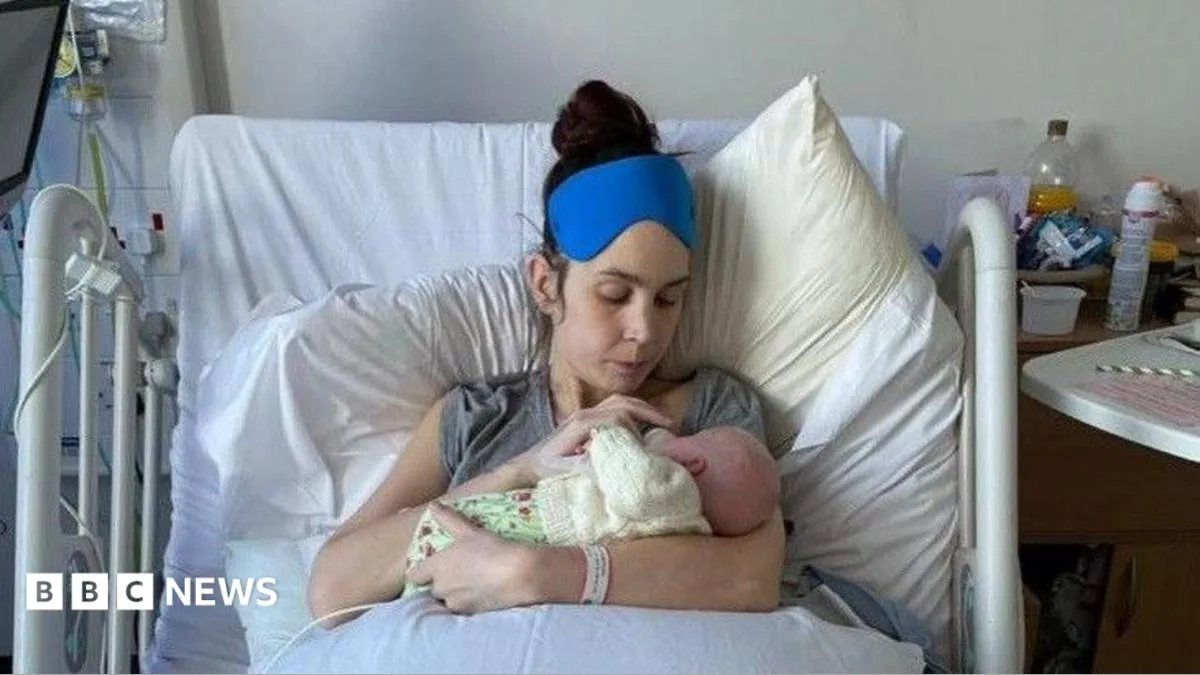
Gem Sofianos-Boorman, 39, who was diagnosed with cervical cancer at 28 after a screening, said the test saved her life because the disease was found early. She had surgery to remove cancerous cells and lymph nodes from her abdomen and pelvis to stop the cancer spreading.
She said her experience showed why anyone who receives an invitation to cervical screening, or an offer of a self-testing kit, should not ignore it.
The latest UK news and stories from Bailey Universe.