CARDIFF — Some women in Wales are posing as men to buy testosterone from online pharmacies after struggling to get NHS prescriptions, according to a menopause consultant. Dr Michelle Olver said there had been a very sharp rise in referrals for testosterone in post-menopausal women, but access depends heavily on the health board.
She said some women have ended up with testosterone levels far above the safe female range after buying it privately online, creating a risk of permanent side effects. Olver wants a more equal all-Wales approach to prescribing, with the hormone used where clinically appropriate, including for low libido after menopause.
The Welsh government said health boards are expected to provide individualised care.
Doctors warn of unsafe testosterone levels and lasting side effects
Olver, a consultant in sexual and reproductive health, said it was upsetting to hear of women lying on online questionnaires to obtain the drug because they felt shut out of proper treatment. She stressed that testosterone should be kept within the female physiological range and monitored carefully with blood tests.
Persistently high levels can cause undesirable permanent effects, she said, including baldness, a deeper voice and enlargement of the clitoris. Women are normally advised to have a baseline blood test and repeat checks while taking testosterone so levels stay within the safe range.
Testosterone is a naturally occurring hormone in women, but levels fall with age. In the UK it is prescribed only for post-menopausal women, mainly to help reduced libido. A study in Wales is also under way to see whether claims that it improves energy and cognition can be supported scientifically.
Women describe barriers after moving between health boards
BBC Wales spoke to one woman who had been prescribed testosterone by her NHS GP, but when she moved to a neighbouring health board her new surgery refused to continue it. She then paid for a private consultation, a prescription and blood tests. Once her dose was stable, she completed an online pharmacy questionnaire saying she was a man so she could buy the hormone more cheaply.
Emma Thomas, who co-founded the Menopals Cardiff and Vale support group, said many members had described similar problems getting testosterone through the NHS. Some had been told by GPs that there was no need for it, or that the surgery would not prescribe it.
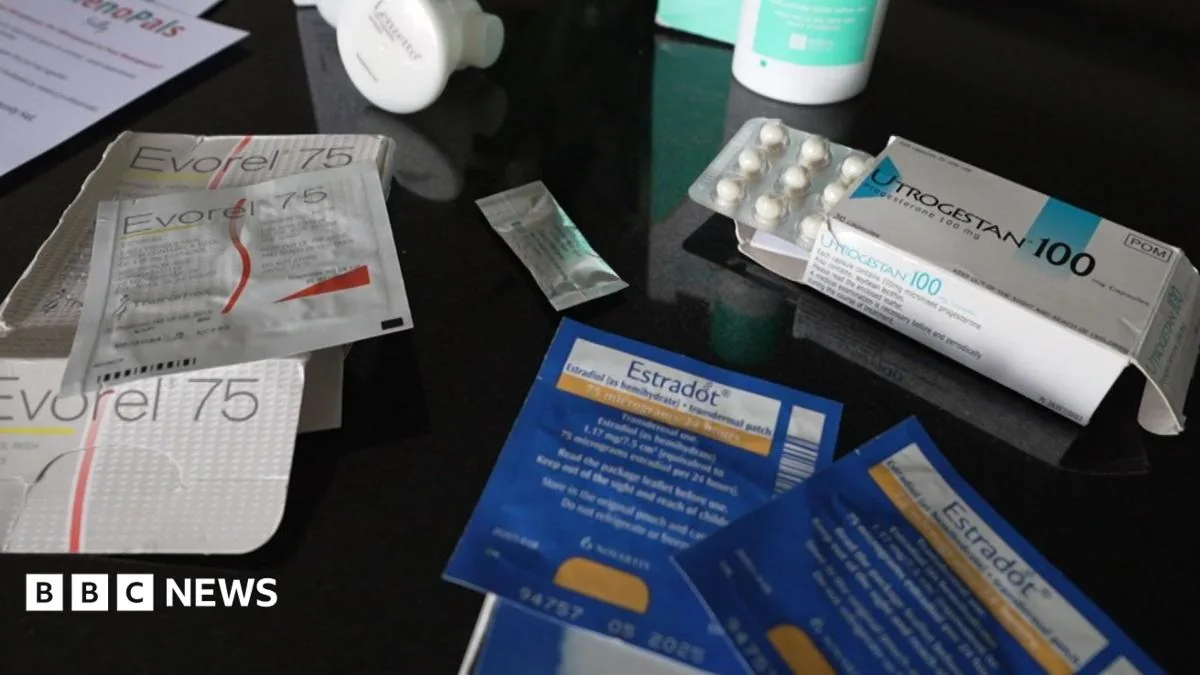
Thomas, 59, from Sully in the Vale of Glamorgan, said menopause changed her outlook and left her feeling insecure, paranoid and low. She said HRT helped within 10 days, and testosterone later became the final piece of the puzzle, helping her feel like her old self again.
Variation across Welsh health boards creates what clinicians call a postcode lottery
Dr Rebeccah Tomlinson, a GP who runs an NHS menopause clinic in a hospital gynaecology department, said some doctors are wary of prescribing off-licence medicines or rely on specialist colleagues to handle testosterone requests. In some practices, she said, a blanket ban can emerge simply to keep workloads fair.
That can push women on to hospital waiting lists, she said, and leaves access dependent on the individual practice and clinician. Olver said Wales uses a traffic light system across its seven health boards: some are red, meaning only specialists can prescribe; others use amber arrangements involving either specialist approval for a GP, or shared care between hospital and GP.
She said the lack of a licensed women’s product on the NHS has driven the disparity. A female formulation, Androfeme, has now been licensed in the UK but still needs a NICE appraisal before wider NHS use. The Welsh government said it expects health boards to follow NICE guidance on menopause care and future recommendations on testosterone.
Experts say testosterone can help some women but is not a universal answer
Olver said about 60% of women will see a benefit in libido, but she warned against treating testosterone as a miracle cure. She said many reasons for reduced intimacy are not hormonal, including outside pressures and anatomical factors, so counselling about what the treatment can and cannot do is essential.
Emma Jones, 57, said she noticed more energy within a week of taking testosterone, but also felt jittery and on edge. She said the effect was strong enough to feel unlike herself, although she still supports wider access to different HRT options so women can find what works for them.
Olver said the female product costs the NHS around £100, compared with about £30 for the male product, Testogel. She said an appraisal by NICE and discussions with the pharmaceutical industry will be needed before any broader NHS rollout in Wales.
The latest UK news and stories from Bailey Universe.