HERTFORDSHIRE — A breast cancer survivor says she no longer lives with the same fear after joining a trial that allowed her to stop the heart medication she had been taking since treatment damaged her heart.
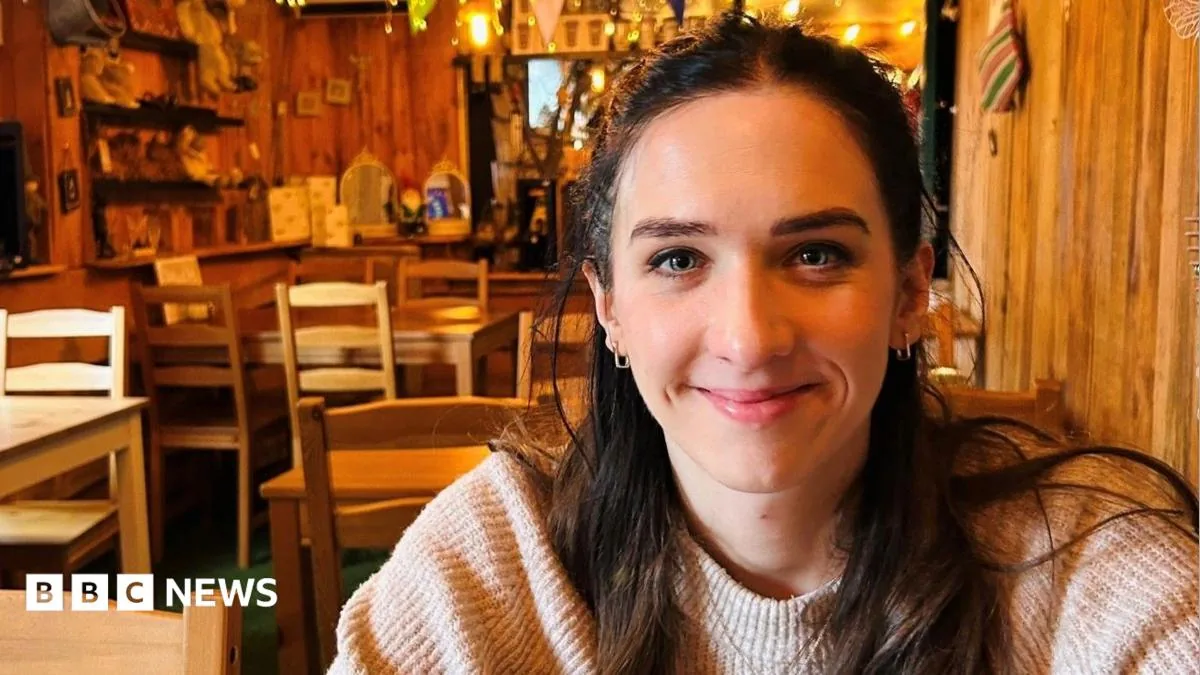
Lucy Shepherd, from Hertfordshire, was diagnosed with triple positive breast cancer shortly after her 33rd birthday. A routine scan later showed her heart function had declined during care, leaving her on precautionary drugs for years.
The new research, funded by the British Heart Foundation, suggests many women in similar circumstances may not need to stay on heart medication for life. In the study, most of the patients who stopped treatment saw no change in heart function after a year.
Trial suggests medication may not need to be lifelong
The trial involved 90 women in their 40s and 50s across four UK hospitals. All had recovered heart function after treatment for breast cancer, but had previously been advised to continue heart drugs indefinitely because of concerns their condition could worsen if they stopped.
Researchers found that 98% of the women who came off medication had no change in heart function over 12 months. Only one woman developed a problem with her heart’s pumping ability during that period.
Women who stopped the drugs also reported a better quality of life in questionnaires. The findings have been described as hugely encouraging for patients and their doctors, particularly because many survivors are left unsure whether to keep taking the medication once their hearts recover.
The study has been published in the Heart Journal.
Lucy Shepherd says coming off treatment improved daily life
Ms Shepherd, now 39, said the trial had improved her life because it gave her the chance to come off a treatment that had brought side effects and constant worry.
She said her doctors gradually reduced the dosage as she became fitter after cancer treatment ended, but she still experienced a low heart rate and fatigue. She also described the mental burden of remembering to take the tablets and worrying about missing a dose.
Although she is still taking hormone therapy, she said she no longer feels the same fear she once did. She said the experience has helped her trust her body again and made her feel strong enough to take on new challenges.
The research team says her experience reflects the uncertainty many survivors face when deciding whether they need to continue heart treatment long-term.
Doctors say close monitoring is key after recovery
Prof Charlotte Manisty, who led the trial and is head of clinical cardiovascular science at University College London, said modern breast cancer treatment remains a remarkable success story. But she said some of the drugs used can damage the heart and leave patients and doctors with difficult questions about ongoing care.
She said the study provides the first evidence that heart failure therapies can be safely stopped in survivors whose hearts have recovered, provided they receive close monitoring. The women in the trial will now be followed for five years so researchers can track their heart health over a longer period.
Dr Sonya Babu-Narayan of the British Heart Foundation said the findings should encourage the thousands of breast cancer survivors whose heart health has been affected by lifesaving cancer treatment. She said the results offer hope that many women will be able to stop medicines safely once their hearts have recovered.
Researchers say the findings could start important conversations between survivors and their doctors about whether long-term treatment is still needed.
Breast cancer and heart side effects affect many patients in the UK
Breast cancer is the most common cancer in the UK, with nearly 60,000 new cases diagnosed each year, according to Cancer UK. Around 15% to 20% of cases are HER2-positive, meaning the cancer cells have higher than normal levels of the HER2 protein on their surface.
In about 10% of cases, treatment for this type of cancer causes problems with heart function. That is why many survivors have been advised to stay on heart drugs for life, even after their cancer treatment ends and their heart recovers.
The trial’s results do not change every patient’s care immediately, but they may help doctors reassess treatment plans for some survivors. The researchers say the work offers practical evidence that could reduce unnecessary long-term medication for patients whose hearts have stabilised.
For women living with the effects of cancer treatment, the study suggests there may be a path to less medication and more certainty about what comes next.
The latest UK news and stories from Bailey Universe.