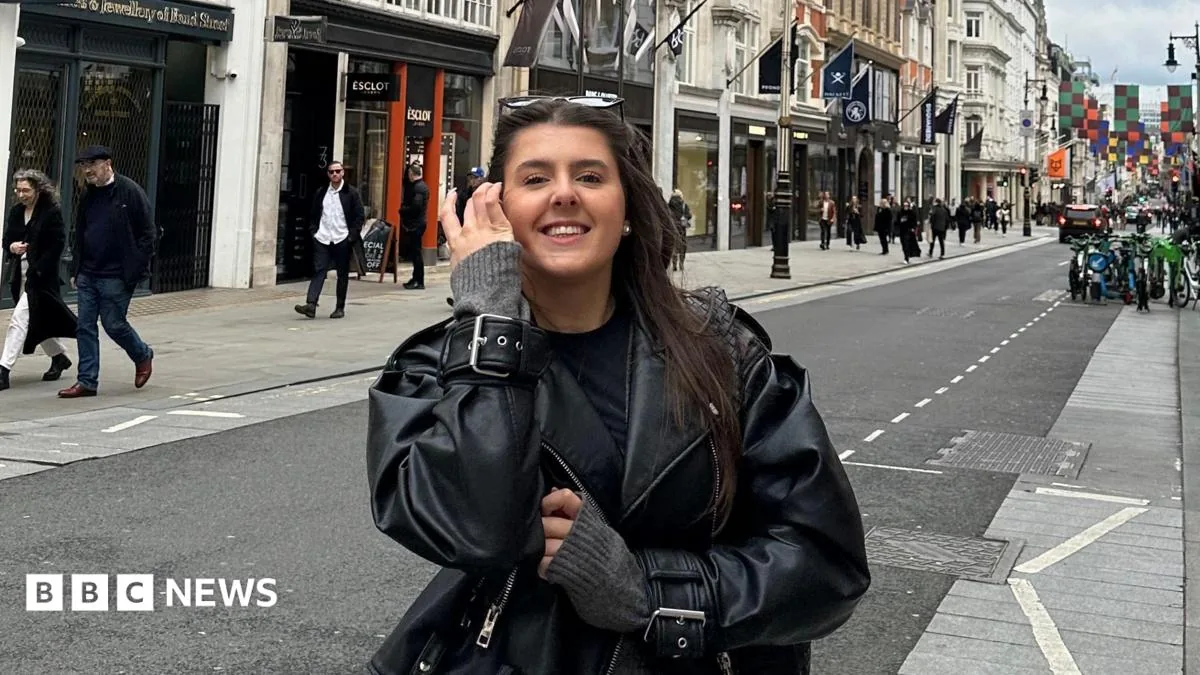
LIVERPOOL — A Liverpool woman says her shopping habit became so intense in 2021 that she was spending up to £700 a month on fast fashion she could not always afford, and sometimes never wore. Ella Hewitt, 24, said she would spend as soon as wages reached her account, chasing the rush she felt from buying online.
She says social media made the problem worse, with TikTok and Instagram encouraging her to make purchases when she was tired or bored. At the time, she was working as an HR assistant in a school and says her spending was so high that she could not move out of the family home.
Ella says she later adopted several ways to slow herself down, including waiting 30 days before buying items and using an imaginary daily budget.
How social media and easy checkout fed the habit
Ella says the cycle was driven by the short-lived pleasure of buying something new, followed by another urge to shop once the feeling faded. She describes the experience as a dopamine hit that kept her spending, especially when online trends were constantly visible on her feeds.
Her account echoes wider concerns about how shopping apps and social platforms are designed. Money and Mental Health says features such as pop-ups, influencer content and one-click payment options can reduce the friction around spending and make it easier to buy on impulse.
The charity also points to Buy Now Pay Later options as another feature that can encourage people to spend more than they intended. A BBC report says Meta, which owns Instagram, TikTok and Asos, has been contacted for comment.
One global study suggests about 7% of adults experience shopping addiction, and it says younger women are more susceptible. The Ukat Group, which runs addiction treatment centres across the country, says it is seeing more people with shopping-related problems.
The changes Ella made to cut spending by 60%
To regain control, Ella started using practical barriers. She put anything she wanted on a wish list and waited 30 days before buying it. More often than not, she says, the urge had gone by the time the waiting period ended.
She also created an imaginary budget of £1,000 a day for pretend purchases, which she says helped satisfy the desire to browse without costing her anything. Another rule was only to buy something if she could afford to buy it three times.
Ella says those changes reduced her spending by around 60%. She is now an ethical fashion influencer and plans to launch her own clothing brand. She says she is not perfect, but is much more in control than she used to be.
Another London shopper says she maxed out an overdraft before changing habits
Dish Patel, 23, from London, says she spent so much on clothes, food, make-up and skincare as a student that she maxed out a £2,500 overdraft and was always broke. She says she was often buying whatever was trending and using shopping apps to pass the time.
Like Ella, she believes part of the problem came from trying to make up for not having much money as a child. She says the excitement of opening parcels never lasted long and the cycle quickly repeated.
Dish, who now works as a financial planner, removed shopping apps such as Asos and Pretty Little Thing from her phone and deleted Apple Pay to make purchases less instant. She also began leaving bank cards at home and planning everyday spending in advance.
Her method was to put the same amount of money into savings or investments whenever she wanted to buy something. She says that worked because she did not want to spend the money twice.
Warning signs and practical steps for people struggling with impulse buying
The Ukat Group says some signs of a shopping problem include feeling better immediately after a purchase, then guilty or ashamed afterwards. It also says people may lie to loved ones about spending or end up with a home full of things they do not use.
Experts and support organisations suggest several ways to slow spending. These include waiting 48 hours or longer before making a purchase, deleting saved card details and shopping apps, and unsubscribing from retailer emails and alerts.
Other suggestions are to write a list before shopping, set a small budget for treats, and use up products before buying replacements. Money and Mental Health says people who shop when they feel lonely, bored or stressed may benefit from exercise or talking to a friend instead.
Citizens Advice, StepChange, Christians Against Poverty and National Debtline are among the groups that can offer help with money problems.
The latest UK news and stories from Bailey Universe.