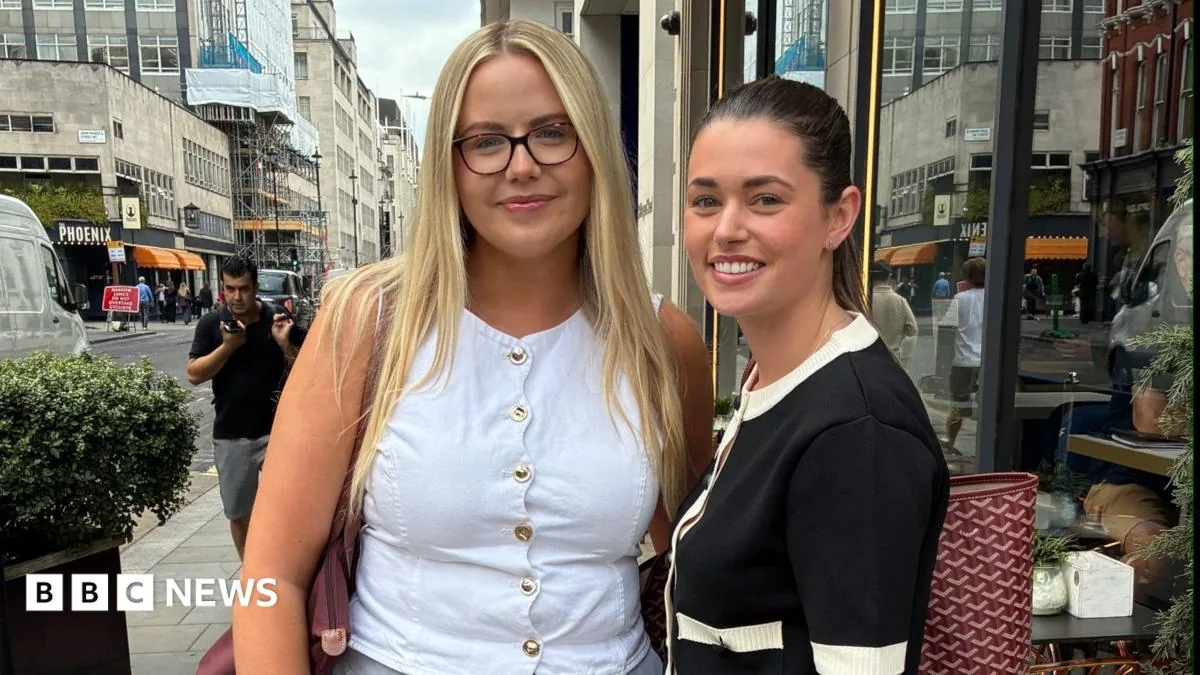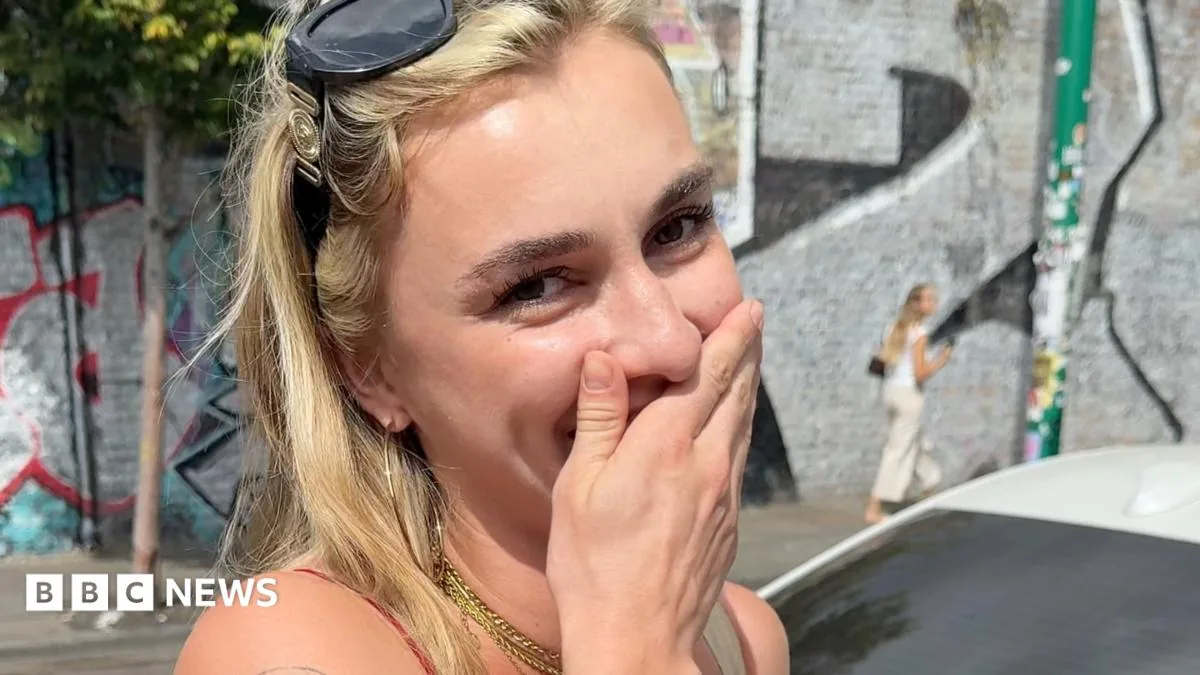
Many retailers offer birthday treats, from free drinks to discount vouchers, but the idea of claiming them dishonestly raises a simple question: would people lie to get a freebie? The issue sits at the intersection of personal finance and consumer habits, where a small saving can be tempting enough to bend the truth.
Birthday offers are designed to draw customers back into shops, cafes and restaurants, often in exchange for sign-ups to loyalty schemes or marketing emails. For some people, the perks are a harmless bonus. For others, they are a reminder that even small rewards can prompt awkward decisions about honesty and value.
How birthday offers work and why brands use them
Birthday freebies are a familiar part of modern retail marketing. Businesses use them to make customers feel recognised, encourage repeat visits and collect contact details for future promotions. In practice, the offer may be a free coffee, dessert, snack or a money-off voucher sent around the customer’s birthday.
For shoppers, the attraction is obvious. A single treat can feel like a small win, especially at a time when households are watching spending closely. The appeal is less about the amount saved and more about getting something extra for nothing, which is why birthday deals often have strong emotional pull.
These offers also depend on trust. Retailers usually assume the person redeeming the reward is genuine, and some schemes rely only on a date of birth entered online. That makes the system easy to use, but it can also create room for misuse if people decide to take advantage of it.
The temptation to bend the rules for a small reward
Even modest perks can test people’s sense of fairness. A birthday freebie may not be worth much in cash terms, but it can still feel like a reward worth chasing, particularly if there is no obvious check at the till or on an app. That is why some people may be tempted to exaggerate or invent details in order to qualify.
At the same time, many shoppers would see that as crossing a line. A free drink or slice of cake is one thing; lying to claim it is another. For those who value straightforwardness, the question is not whether the offer is worth having, but whether a small gain justifies being dishonest.
The topic also highlights how loyalty schemes and promotions have become part of everyday spending. What starts as a playful birthday gesture can end up exposing how people weigh convenience, principle and the lure of a bargain.
What this says about consumer behaviour in the UK
Birthday freebies are a useful example of how retailers compete for attention in crowded markets. They are not usually about generosity alone, but about creating a habit and keeping a brand in mind when customers are making everyday purchases.
For UK shoppers, the wider lesson is that the smallest promotions can still influence behaviour. A free item or birthday message may seem trivial, yet it can shape where people choose to spend, how they sign up to services and how they think about value.
The question of whether someone would lie to claim a freebie is therefore less about the reward itself and more about the pressures of modern consumer life. When offers are easy to claim and savings are small, the boundary between a clever deal and a dishonest one can become surprisingly blurred.
Why the question matters for retailers and customers
For businesses, birthday promotions are a low-cost way to build goodwill and repeat trade. For customers, they are one of the few moments when a personal detail can unlock a direct benefit. That combination explains why they remain popular across cafes, shops and food chains.
But the same simplicity that makes them attractive can also make them vulnerable to abuse. If people casually claim rewards they are not entitled to, retailers may tighten the rules, which could make the offers less generous or less easy to access for everyone else.
That leaves the question open for shoppers and brands alike: when does taking advantage of a promotion become taking advantage of the system? The answer may depend on how much value people place on a free birthday treat, and how far they are willing to go to get one.
The latest UK news and stories from Bailey Universe.