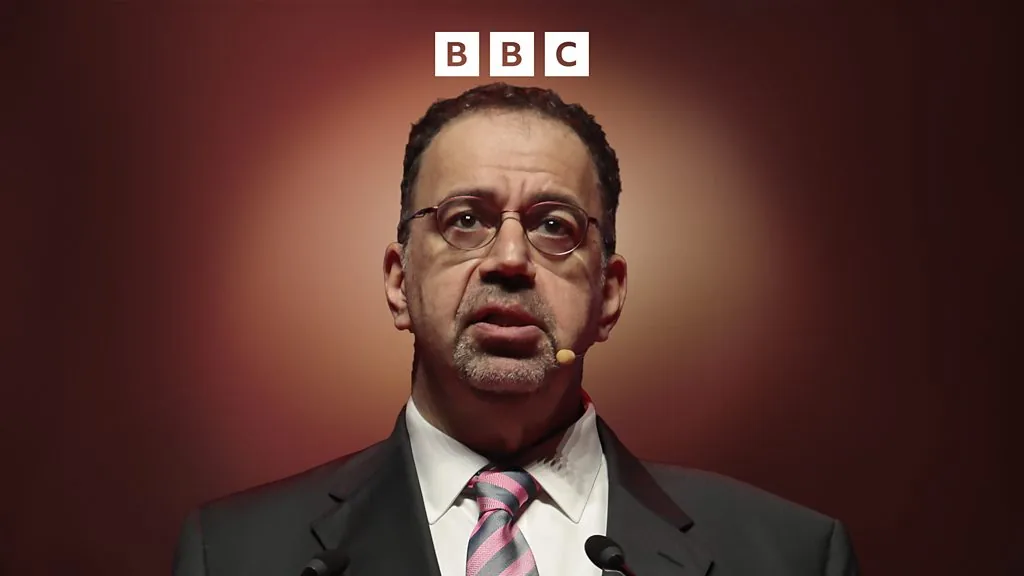
LONDON — Liberal democracy is in crisis, according to Nobel Prize-winning economist Daron Acemoglu, who says the system has begun to fail when governments take major decisions without first building public consent. In an interview with BBC Newsnight presenter Paddy O’Connell, he argued that this has helped leave many working people feeling ignored by politicians and has fuelled support for populist ideas.
Acemoglu said liberal democracy once rested on a bargain: people were given a meaningful say in how they were governed and, as the economy grew, they benefited from that prosperity. He said that balance has weakened over time. He also warned that artificial intelligence could intensify those pressures, because it is being developed and deployed without the sort of agreement that should shape a technology with such wide social consequences.
He says consent has been lost on issues including immigration and economic change
Acemoglu said western governments have made some of their biggest decisions, including on immigration, without first securing broad public agreement. In his view, that matters because consent was once central to how liberal democracy won legitimacy and kept people invested in the political system.
He argued that when decisions are taken away from ordinary voters, trust begins to weaken. The result, he suggested, is a growing sense among working people that politicians are no longer listening to them. That feeling, he said, has helped create conditions in which populism can grow.
His comments reflect a wider concern about whether democratic institutions can still persuade people that they have a real voice in how their countries are run, especially when economic change leaves some groups feeling left behind.
AI could widen inequality and put workers at risk, economist warns
Acemoglu said artificial intelligence may make the problem worse if its development continues without public consent or proper debate. He warned that AI could reshape society in ways that people have not agreed to, even though it will affect almost every part of daily life.
He said the technology could widen inequality and leave people out of work, with the effects felt in the UK and beyond. In his view, the issue is not simply that AI is powerful, but that citizens have little say over how it is being built and used.
He added that people in the UK and the US are already excluded from those decisions, while billions of others outside the US, UK and China have even less influence over how AI will affect their lives.
BBC interview forms part of The Interview on World Service and BBC Sounds
The comments were made during The Interview, a BBC World Service programme that features conversations with figures shaping global events. The episode was presented by BBC Newsnight’s Paddy O’Connell and produced by Osman Iqbal, with Damon Rose as editor.
The programme is broadcast on the BBC World Service on Mondays, Wednesdays and Fridays at 0800 GMT, and is also available as a podcast on BBC Sounds and other platforms. The BBC says the series has also featured interviews with people including Indian activist Sonam Wangchuk, South African minister Gayton McKenzie and New York Times White House correspondent Maggie Haberman.
The latest edition centres on Acemoglu’s argument that both democracy and technology now face a common challenge: how to keep public consent at the heart of change.
Why the economist says liberal democracy and AI now face the same test
Acemoglu’s warning links politics and technology through a single idea: whether ordinary people still have a genuine say in the systems that shape their lives. He said liberal democracy works best when people feel represented and when economic gains are shared broadly enough to keep that trust intact.
Where that relationship breaks down, he suggested, public confidence erodes. In his view, AI now risks repeating the same mistake on a much larger scale, because its reach is so broad and its consequences may be profound.
That is why he says the debate is not only about productivity or innovation, but about power, fairness and who gets to decide the future.
The latest UK news and stories from Bailey Universe.