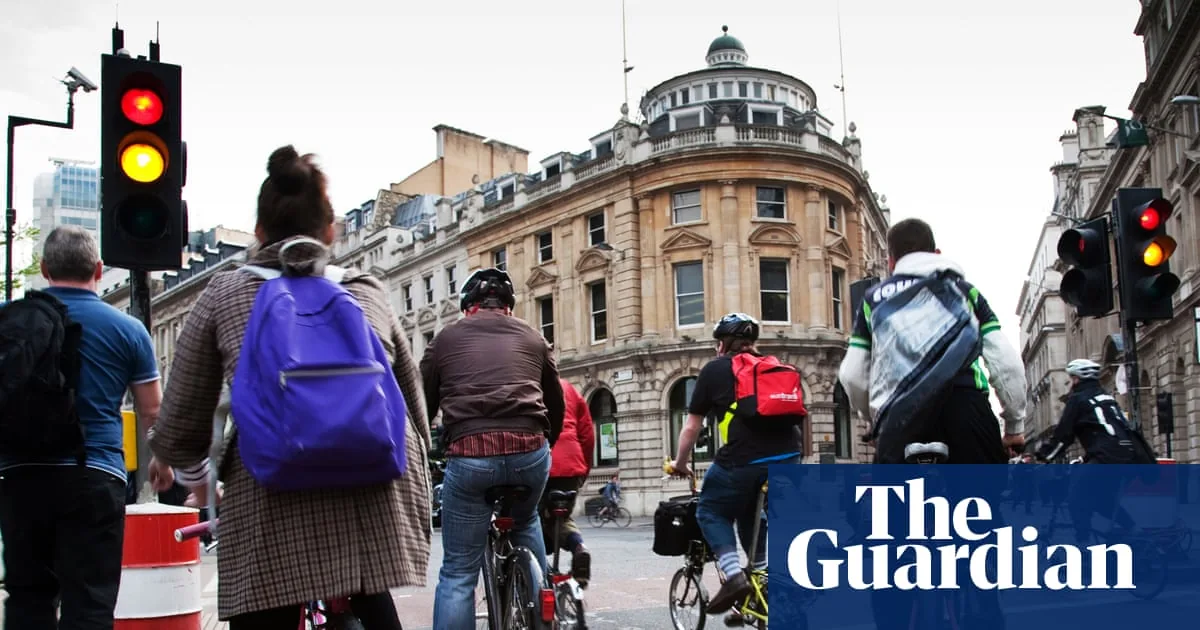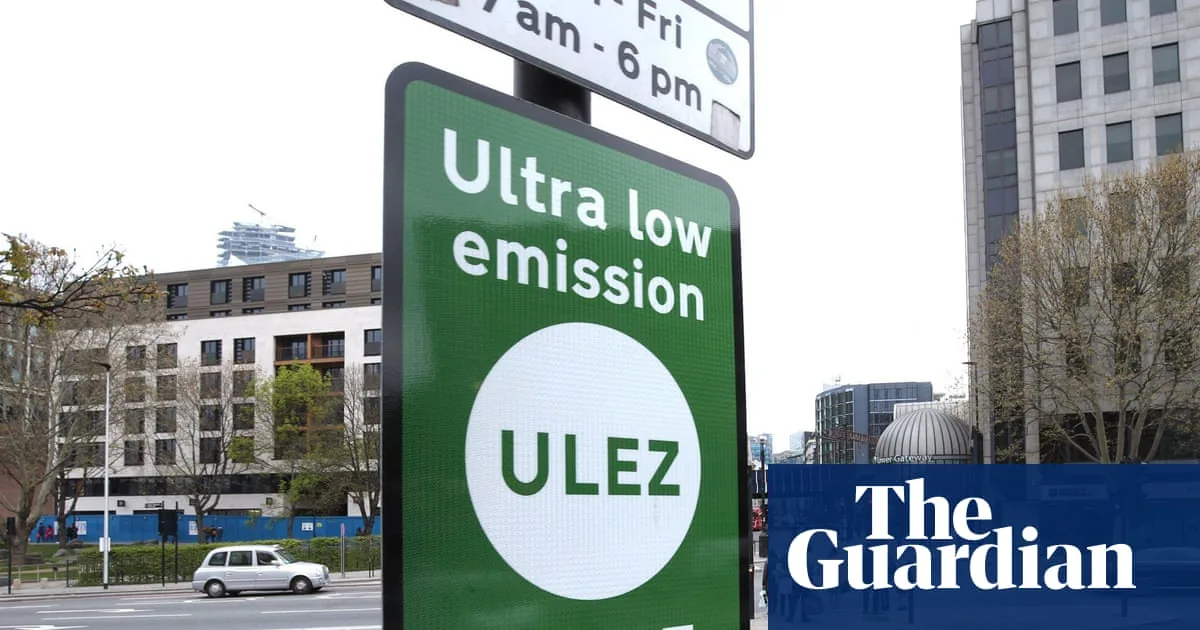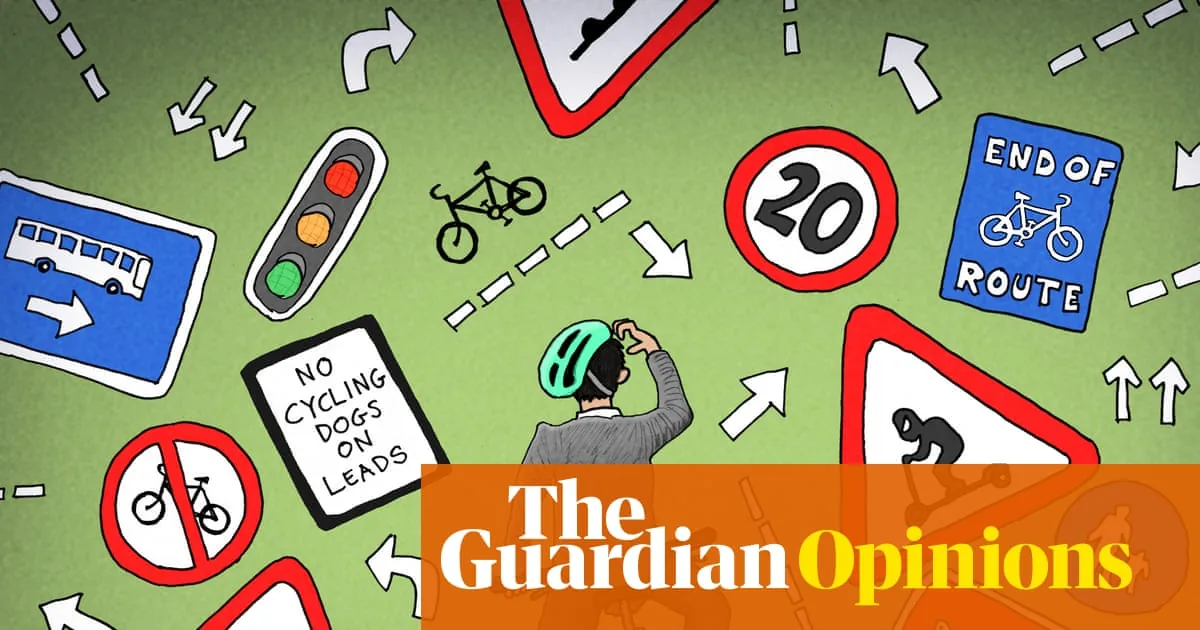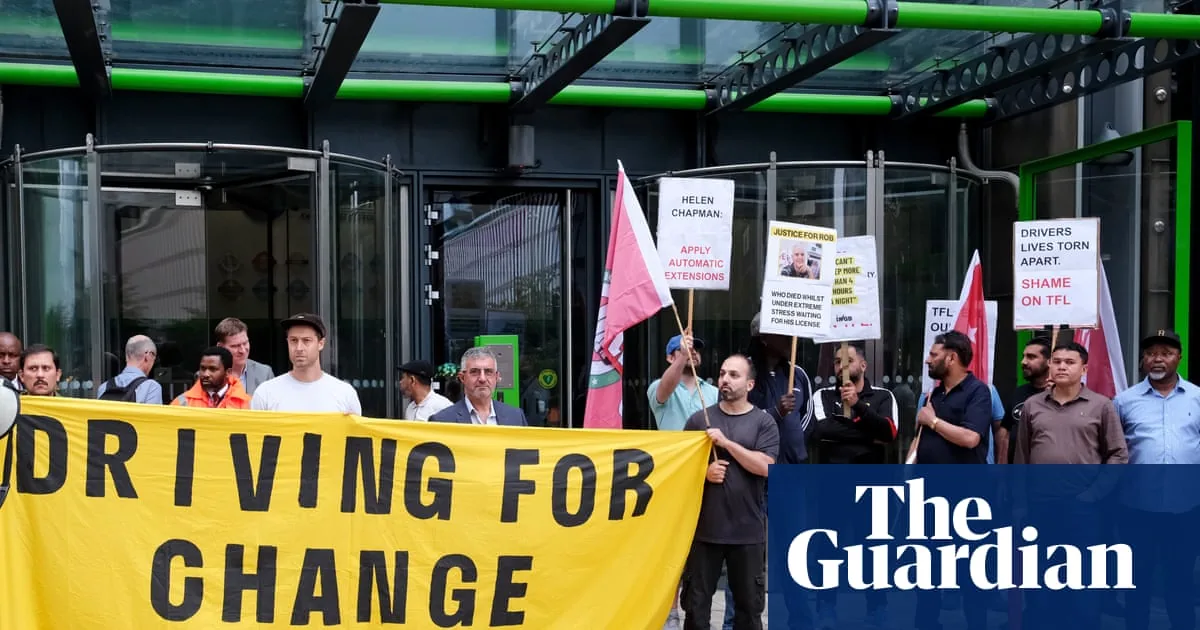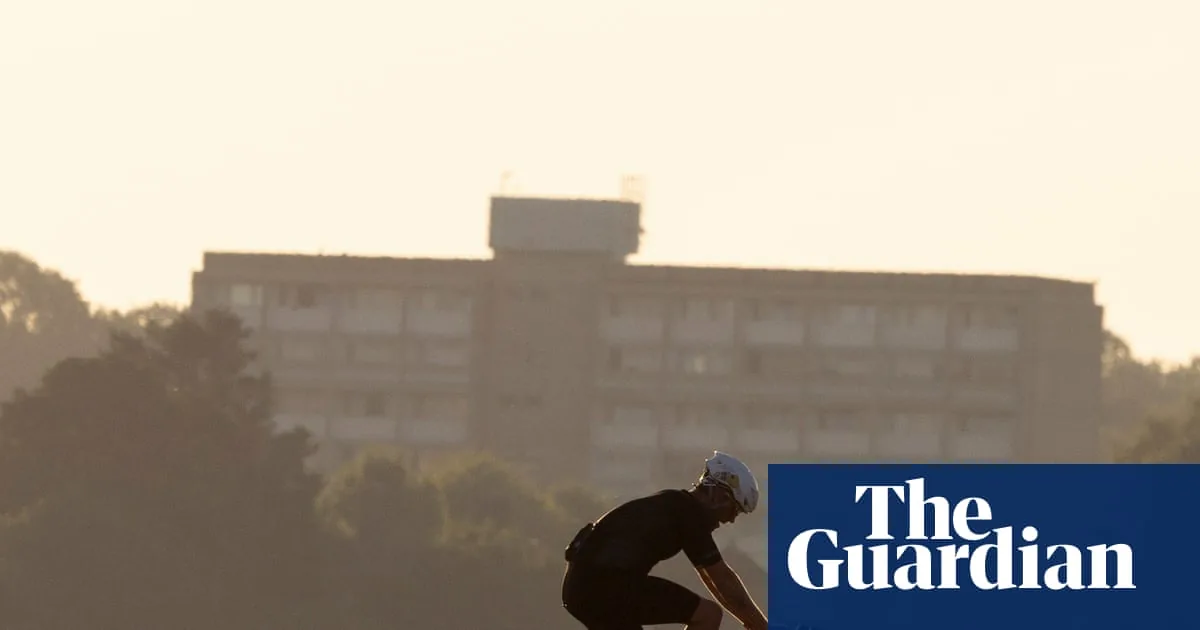
LONDON — Dozens of civil society groups have called on the UK government to do more to encourage cycling, walking and shared mobility after this summer’s heatwaves and wildfires sharpened concern about transport emissions. The campaigners said the extreme weather was a visible sign of the climate emergency and a reminder that transport reform cannot wait.
The intervention argues for a stronger “modal shift” in the way people travel, with more journeys taken by public transport, walking, cycling and shared transport rather than private cars. Campaigners say the case has become more urgent because domestic transport remains the UK’s biggest emitting sector and its emissions rose again last year.
Groups say government needs clearer travel targets
The statement was led by the Campaign for Better Transport and backed by 54 organisations. Ben Plowden, the group’s chief executive, said the wide range of signatories showed how strongly campaigners believe the climate crisis now demands faster action.
He said the summer’s heatwaves, wildfires and damage to people, nature and infrastructure were only a warning of what could follow without urgent reform. Plowden also said the pressure had been heightened by oil price inflation linked to the US war on Iran, which added to the call for less dependence on private vehicles and fossil fuels.
The campaigners want ministers to set policies that increase the proportion of journeys made by public transport, shared transport, walking, wheeling and cycling, rather than relying mainly on private cars. They also want targets to increase the amount of freight moved by rail.
Labour faces questions over shelved travel commitments
The demand lands after Labour appeared to have dropped plans to set targets for increasing public transport use and cutting private vehicle trips. Before the 2024 general election, the party had promised goals to shift travel habits away from private cars and towards public transport and active travel, including cycling and walking.
By this summer, however, the government’s cycling and walking strategy did not include wider targets for changing the overall share of journeys made by bus, train or car. Campaigners say that leaves a gap between earlier promises and current policy, especially at a time when households are feeling the effects of higher temperatures and transport costs.
Plowden said the approach needed to be driven by central government setting an overall target for helping people travel differently, with local investment making that change possible on the ground.
Transport group and ministers set out competing priorities
Plowden said the aim was to create the conditions in which people could make more of their journeys by walking, cycling, public transport and shared mobility than by private car. He added that this should be delivered through investment in local transport improvements, with electric vehicle uptake rising alongside the wider shift away from car dependence.
Campaigners argue that because most journeys are under five miles, better local transport networks could help people get to shops, schools, health services and friends more easily. They say a cleaner system would also support freight moving by rail and reduce emissions from a sector that last year produced almost a third of the UK’s net greenhouse gases.
A Department for Transport spokesperson said the government was giving people “real choice” by making buses, trains and active travel cheaper, more reliable and easier to access. The spokesperson pointed to the £2 bus fare cap, frozen rail fares, £4.5bn for cycling and walking, and the UK’s zero-emission vehicle mandate backed by £7.5bn.
The latest UK news and stories from Bailey Universe.