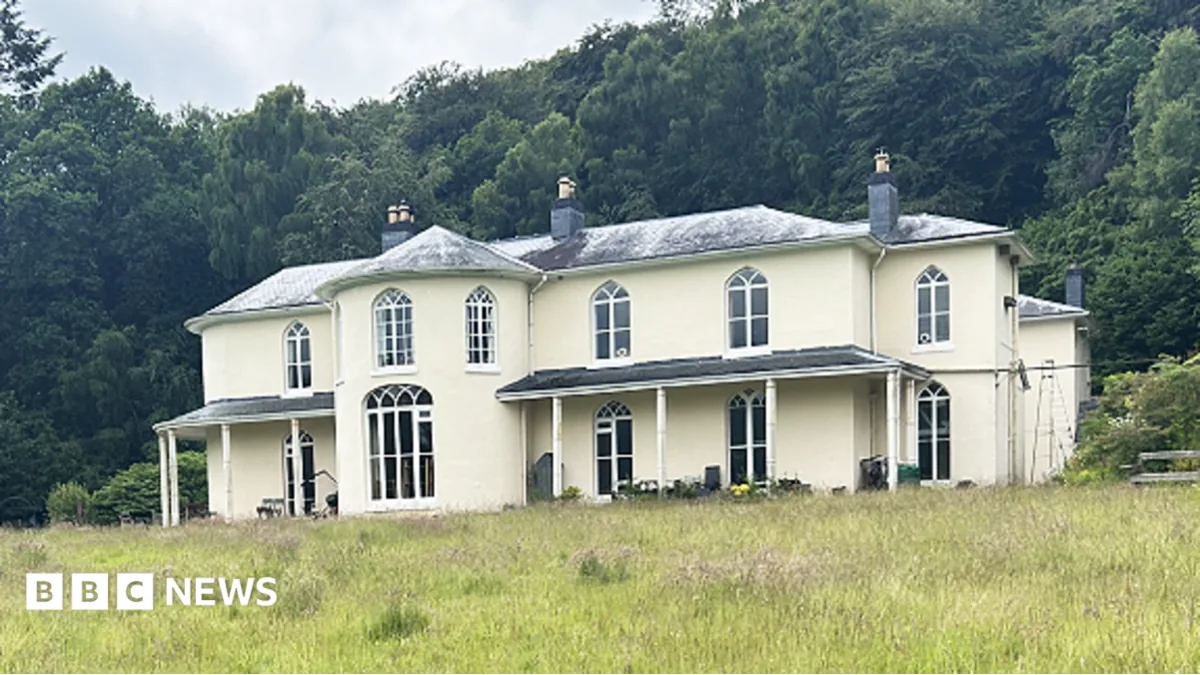
LLANIDLOES — Residents at a Grade II listed Georgian hall near Llanidloes are living in a 15-acre setting that would normally be out of reach for most buyers. Instead of a lone owner or lottery winner, Dol-llys Hall is home to a co-operative of people who share the upkeep, costs and decisions while keeping their own flats and front doors.
The building now contains seven flats, communal rooms and shared facilities, with heating and washing machines used collectively. Louise Robinson, one of the longest-serving residents, says the arrangement gives people a “ready-made village mentality” where neighbours help one another. The community has been in place since 1991, and residents describe it as a practical mix of privacy, shared responsibility and rural living.
How the hall combines private flats with shared living
Dol-llys Hall is not a commune. Residents are clear that the model is co-housing, with separate homes inside the building and communal spaces outside them. That balance was important to Louise Robinson, who moved in early 2020 after leaving an insurance job in London and spending more time walking in the countryside.
She had looked into several intentional communities before choosing Dol-llys, but wanted more than a single room with everything else shared. She found the answer here: individual flats, common rooms, shared grounds and collective decisions. That set-up, she says, allows people to support each other while still having proper private space. The hall has also served as a school, care home and former stately home over the years, which adds to its sense of continuity.
Membership is arranged on a loan stock basis for most residents, meaning the co-operative holds equal shares. People also pay a monthly service charge to cover group costs and projects, while the system is designed to keep the home functioning as a long-term shared asset.
Why people move in and stay for years
For some, the appeal is retirement; for others, it is a more alternative way of life. Ken O’Brien and Susan Lancaster, both 70, chose Dol-llys because it looked stable, organised and mature. They had considered other cooperative homes, but found this one better run and better suited to a settled stage of life. Ken also brought experience from earlier religious community living.
Jemma, 36, from Birmingham, and her partner Yiannis had already lived in several alternative settings before applying for one rental unit at the hall. Their previous homes included Brithdir Mawr in west Wales, a houseboat and a community in Meifod, Powys. Jemma, who works in healthcare, says co-housing offers both practical skills and a better quality of life, especially for people looking for different role models and ways of thinking.
The community now spans ages from seven to 70. This summer, two older residents are leaving and two families with three children aged between six and 12 are due to move in.
Service charge, work days and renewable heating shape daily life
Daily life at Dol-llys comes with a clear division of responsibilities. Residents are expected to complete one work day a month, along with a half-day of gardening and a half-day processing wood for the communal boiler. New arrivals learn the skills they need if they do not already have them. Louise says she even had to buy a chainsaw, something she never expected when she lived in London.
The hall uses a wood-fired boiler for heating, while solar panels supply some electricity. Bills are based on consumption, and bigger decisions are made by consensus. Residents say that can take time, particularly in the early days, but it also helps protect the long-term spirit of the place. When someone moves out, the co-operative reviews what they originally paid and then adjusts the value using national and local house price trends.
The hall’s website says a share now costs £230,000, giving the right to live in a two- or three-bedroom flat. Comparable homes in the local town are advertised from about £110,000 to more than £250,000.
Open days, allotments and a wider role in the community
The hall is not closed off from its neighbours. It offers free allotments to local people in exchange for help on work days, opens its doors for visits and lets groups use communal rooms for activities such as yoga classes. This summer it will host its first board games weekend, and residents have even allowed friends to use the hall as a free wedding venue.
Volunteer workers from Wwoof, the Worldwide Opportunities on Organic Farms scheme, have also stayed there, receiving board and lodging for two weeks in return for help in the grounds and a chance to learn practical skills. On a walk around the estate, residents point to the lake, the chicken field, the woodland and the large field that all need attention. Louise says the human connections matter most, even alongside the scale of the land.
Jenny Kincova, 64, the longest current resident at nine years, is moving on to live in Llanidloes itself. She says the communal decision-making can become tiring, even though she still values the experience. For her and others, leaving does not mean cutting ties with the hall, but moving into a different chapter of life.
The latest UK news and stories from Bailey Universe.