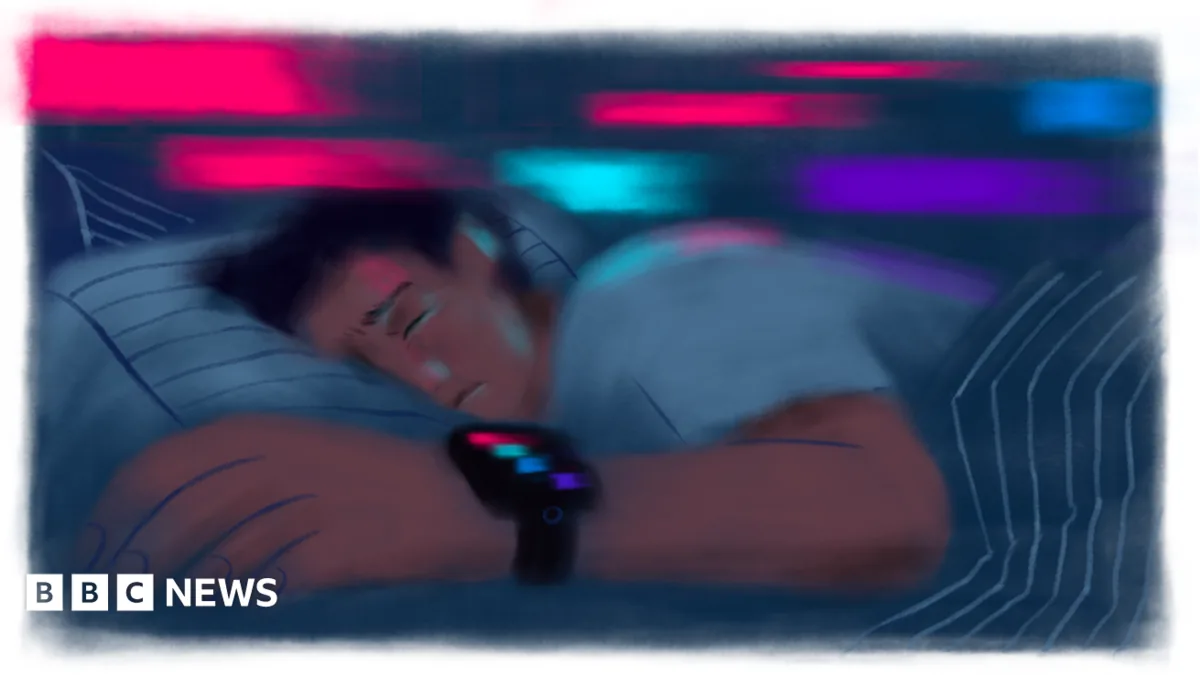
LONDON — Trying to turn sleep into a game may be leaving some people worse off, according to sleep specialists who say the pursuit of perfect scores can fuel anxiety rather than rest. The trend, often called sleepmaxxing, involves using trackers, supplements, white noise and other techniques to optimise every part of the night.
Doctors say that when this goes too far it can tip into orthosomnia, an obsession with achieving ideal sleep. While that term is not formally recognised in the UK as a condition, clinicians say they are seeing patients arrive with tracker data and worries about a sleep disorder, even after medical tests have been reassuring.
The concern, they say, is that constant checking can create a cycle of pressure that makes sleep harder, not easier.
How sleep tracking became a daily habit for millions
The modern sleep tracker began to take off after the Fitbit Classic added sleep analysis in 2009. Since then, wrist-worn devices from Garmin, Whoop and Apple have added sleep monitoring, while smart rings from Oura, Ultrahuman and RingConn have brought the same idea to the finger.
Most of these devices break the night into stages, such as awake time, light sleep, deep sleep and REM, then turn that information into a score. But sleep medicine specialists argue that the number is not a scientific measure of sleep quality.
Dr Alanna Hare, consultant in sleep medicine at the Royal Brompton Hospital in London, says the idea of a sleep score is entirely created by manufacturers. She says there is no recognised sleep science metric that corresponds to that number, and that some patients become anxious when the figures do not match how they feel.
She adds that more focus on sleep is welcome in principle, but that sleep does not respond well to attempts to perfect it.
Fake scores can still change how tired people feel the next day
Concerns about sleep tracking are not limited to whether the numbers are accurate. Research from the University of Oxford has suggested that the scores themselves can shape how people feel the following day, even when the figures are random.
In the study, participants were given trackers that produced a sleep score, but the results were not tied to how they had actually slept. The next day they rated their mood, fatigue and alertness, then completed tests of focus and reaction time.
Researchers found that those told they had slept badly reported feeling more tired and less mentally alert, despite the fact that the scores were fake. The finding suggests the belief attached to the number may affect behaviour and self-perception, even when the data are meaningless.
That pattern is part of what clinicians describe as a worrying feedback loop: a disappointing score leads to concern, which then spills into the day and can make rest feel more difficult the following night.
One London worker says her watch became her guide for sleep
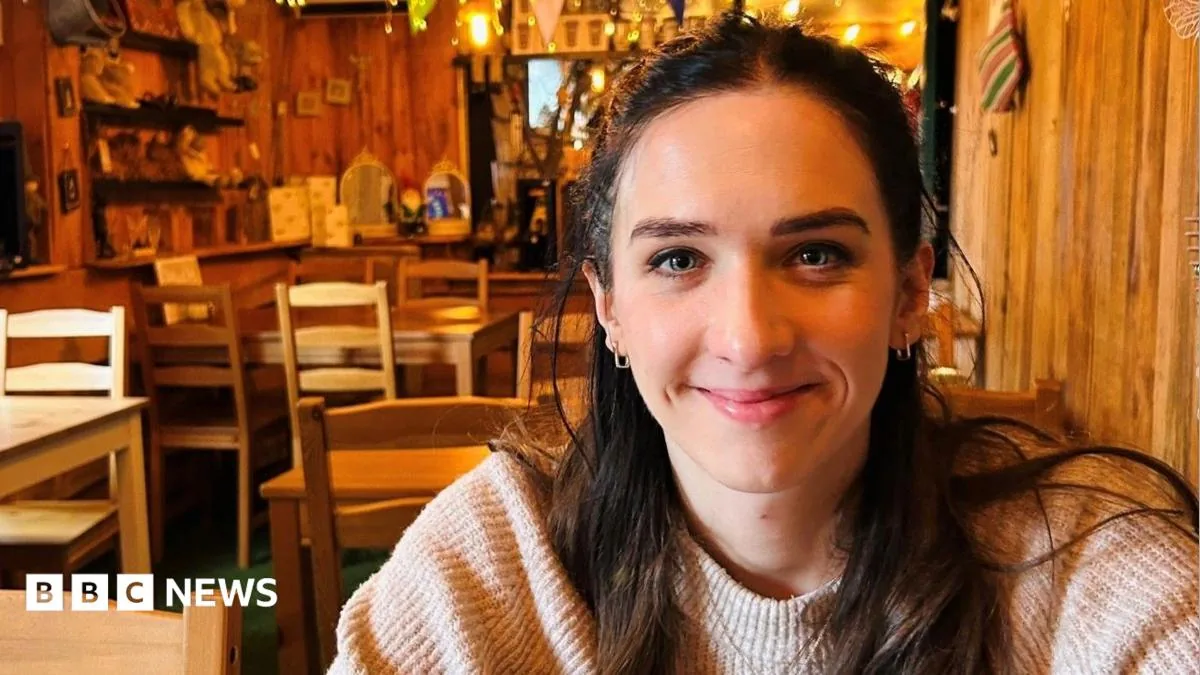
Jess Hill, a 32-year-old human resources professional from London, says she fell into that pattern after buying a Garmin watch several years ago. She says she began to treat the device as the final word on whether she had slept well.
She would expect a bad day if the watch said she had slept badly, even when she believed her sleep had been fine. When the score was high, she says she sometimes pushed through fatigue because the numbers suggested she should be feeling better than she did.
Hill says the obsession lasted about three years before she noticed the watch was not reflecting what had actually happened overnight. She gave the example of being awake from 01:00 until 05:00 while the device still reported excellent sleep.
Sleep expert Dr Neil Stanley says that kind of gamification is part of the problem. He argues that giving sleep a target encourages people to worry about quantity and quality in ways that can make sleep more disordered.
Experts say the best sleep advice still looks ordinary
Rather than chasing perfection, specialists recommend keeping sleep simple. Dr Hare advises a bedroom that is cool, dark and quiet, but not obsessively so. Her view is that people do not need pitch blackness, exact temperatures or total silence.
She also recommends getting bright light in the morning to help regulate the body clock, taking light exercise and eating a healthy Mediterranean-style diet with plenty of plant variety. Above all, she says, the most useful approach is to avoid overcomplicating the issue.
Dr Stanley says trackers can be limited because they mostly measure movement rather than sleep itself. In his view, real sleep measurement would need to involve the brain, since movement data alone cannot fully capture what is happening overnight.
Taken together, the message from specialists is clear: if the numbers are making people anxious, it may be better to ignore them and focus on habits that support rest without turning bedtime into a competition.
The latest UK news and stories from Bailey Universe.