LONDON — Hundreds of families say they have waited months, and sometimes years, for a dementia diagnosis for a loved one, according to a survey for Alzheimer’s Society. The charity says those delays are not just stressful for patients, but also for relatives whose work, finances and mental health can all be affected while they wait for answers.
Alzheimer’s Society is calling for a national standard that would mean a person with dementia gets an accurate diagnosis within 18 weeks of being seen and referred by a GP. The charity says that would place dementia alongside other major health conditions, including cancer, when it comes to speed of diagnosis and the support that follows.
Delays are leaving families without answers while symptoms worsen
The survey, which reached more than 1,000 families and carers of people living with dementia, found that nearly half had waited more than six months for an accurate diagnosis after their first GP visit. For many, that period involved uncertainty about what was happening and what care would be needed next.
Michelle Dyson CB, of Alzheimer’s Society, said diagnosis can help families access support and plan ahead. She said too many people spend months, and sometimes years, waiting while dementia progresses. The charity argues that this makes it harder for relatives to understand symptoms, speak to healthcare professionals and prepare for the future in a structured way.
The organisation says the current system leaves families trying to move forward without knowing exactly what they are dealing with. It wants dementia to be treated with the same urgency as other serious conditions, so that referrals lead to faster and clearer decisions.
Michael Fethon says his father waited 18 months for a diagnosis
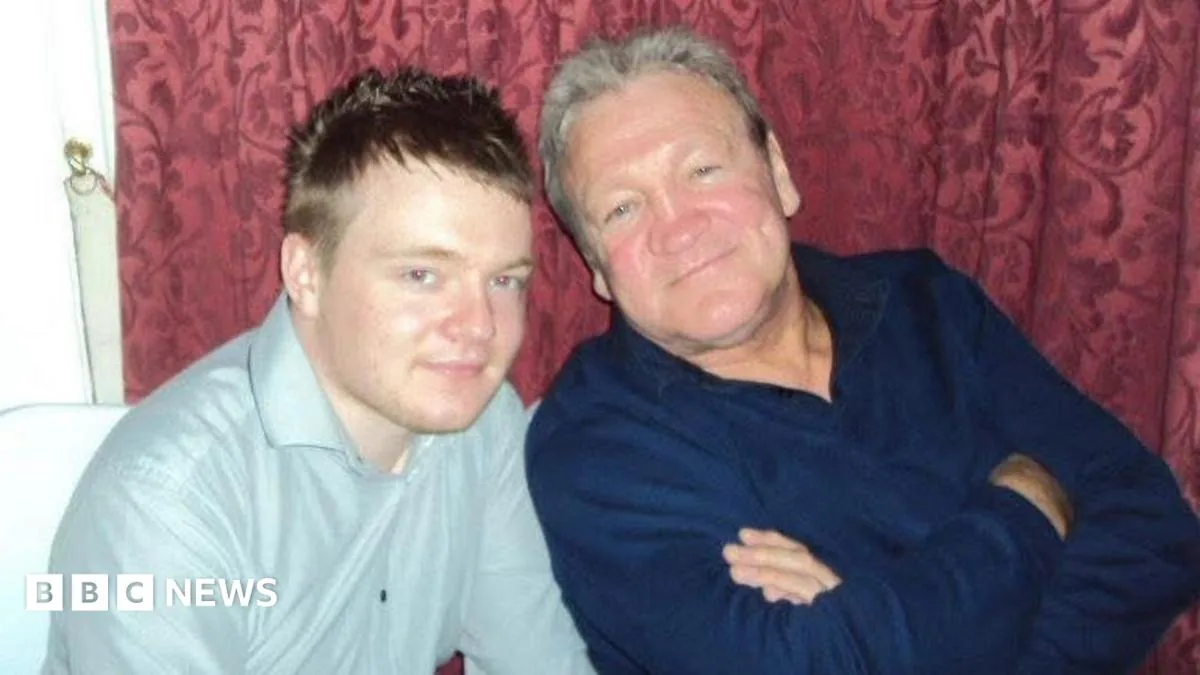
One family described the impact of the delay in personal terms. Michael Fethon said his father, Jim, waited 18 months from the initial GP appointment before being diagnosed. During that time, Michael said the family saw his father’s condition steadily worsen.
He said his father struggled not only with memory loss, but also with everyday tasks such as driving, shopping and eventually even walking. Michael said the long wait took a toll on both of them, and he eventually gave up his job to care for his father.
He also said an earlier diagnosis could have meant medication sooner. While he acknowledged that medicine does not cure dementia, he said it can help slow the condition and reduce the severity of symptoms, which makes timing especially important for families.
Keith Andrews says diagnosis helped the family feel more confident
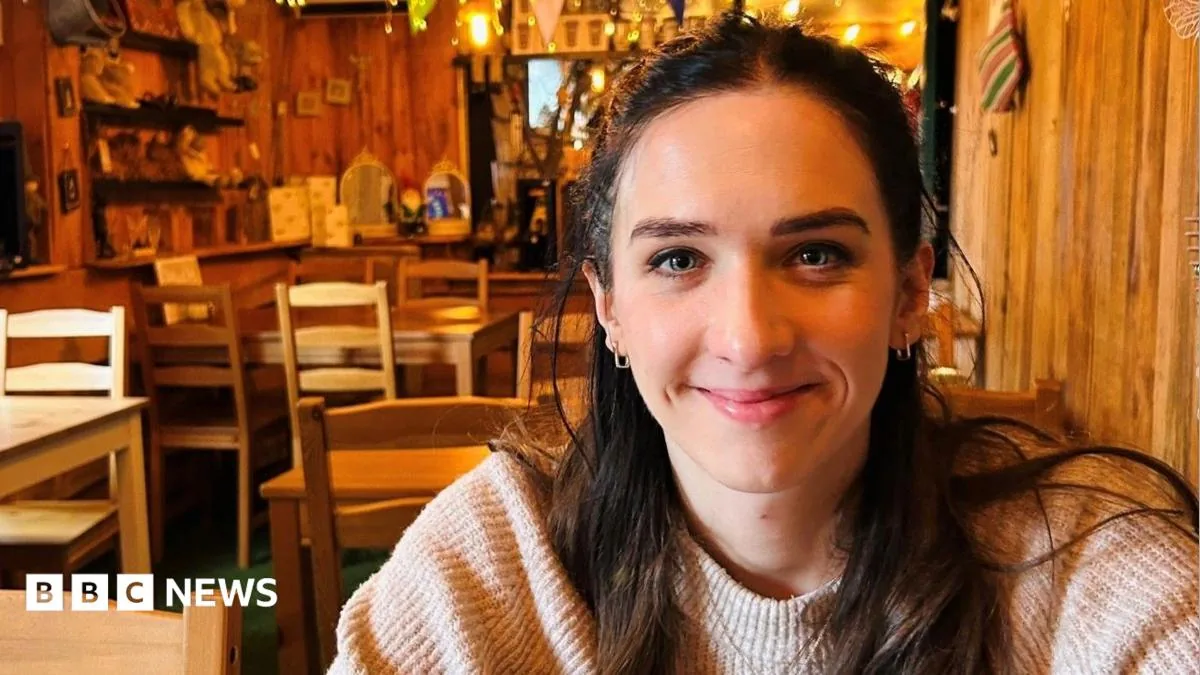
Another family, Keith and Sue Andrews, said they waited almost a year for a diagnosis. The couple first met when they were 15 and have now been married for 57 years. Sue’s condition has deteriorated so much that she now lives in a home.
Keith said the long wait was difficult, but that life became more manageable once they knew for certain what they were dealing with. He said a diagnosis brought confidence because it gave the family a clearer sense of direction and helped them feel they were doing the right thing.
He said the uncertainty before diagnosis was especially hard because they did not know what was happening or what to do next. Like Keith, nine in 10 families surveyed said a formal diagnosis made at least one part of life easier, including understanding symptoms, supporting the person affected and speaking with healthcare professionals.
Government says it is strengthening support for people with dementia and unpaid carers
A spokesperson for the Department of Health and Social Care said the Government was determined to strengthen support for people affected by dementia and for family members who look after them. The department said it is bringing forward the timetable for Baroness Casey’s commission on social care reform and appointing a new dementia tsar to help lead that work, as recommended by Baroness Casey.
The department also said it is implementing a new action plan for unpaid carers so they receive more support and recognition for the work they do. The announcement comes as charities continue to push for clearer diagnostic standards and earlier access to advice, treatment and practical help for families.
Alzheimer’s Society says its proposed 18-week target would give people a more predictable route to diagnosis after GP referral. It argues that quicker answers would help families make decisions earlier, rather than waiting while symptoms and anxiety continue to build.
The latest UK news and stories from Bailey Universe.