MUNICH — Doctors have agreed the world’s first universal definition of a heart attack, in a move that could improve care for millions of women who have long been diagnosed and treated less effectively. The new guidance is intended to help healthcare professionals identify different forms of heart attack more accurately, particularly those that have been under-recognised in women.
The change marks one of the biggest updates to heart attack diagnosis in decades. Cardiologists say it should reduce delays in treatment and give patients a clearer understanding of what has happened to them, what caused it and what comes next.
The agreement was announced at the annual congress of the European Society of Cardiology, the world’s largest heart conference.
Why women have often been missed or treated late
For years, some less common heart attacks have been treated as less important, even though evidence suggests they affect women far more often than men. Doctors say that has contributed to women receiving care that was sometimes less effective and not always matched to the actual cause of the attack.
Previously, the most serious cases were classed as type 1 heart attacks, a category that prioritised clots blocking blood flow to the heart. That framework did not always reflect attacks caused by other problems, such as narrowed arteries or tears in the vessels supplying the heart.
The new guidance is designed to correct that imbalance by giving greater prominence to the forms of heart attack that can be missed or treated less urgently. Prof Bryan Williams of the British Heart Foundation said the change could be “life-changing” for large numbers of women in the UK and beyond.
Three upgraded heart attack types linked more often to women
The revised system upgrades three types of heart attack that are said to be up to 10 times more common in women. These are coronary artery spasm, coronary embolism and spontaneous coronary artery dissection, known as Scad.
Coronary artery spasm happens when an artery tightens, restricting blood and oxygen to the heart muscle. It can be triggered by emotional stress, exercise or extreme cold. Coronary embolism occurs when a clot or fatty deposit travels to a coronary artery and causes a blockage.
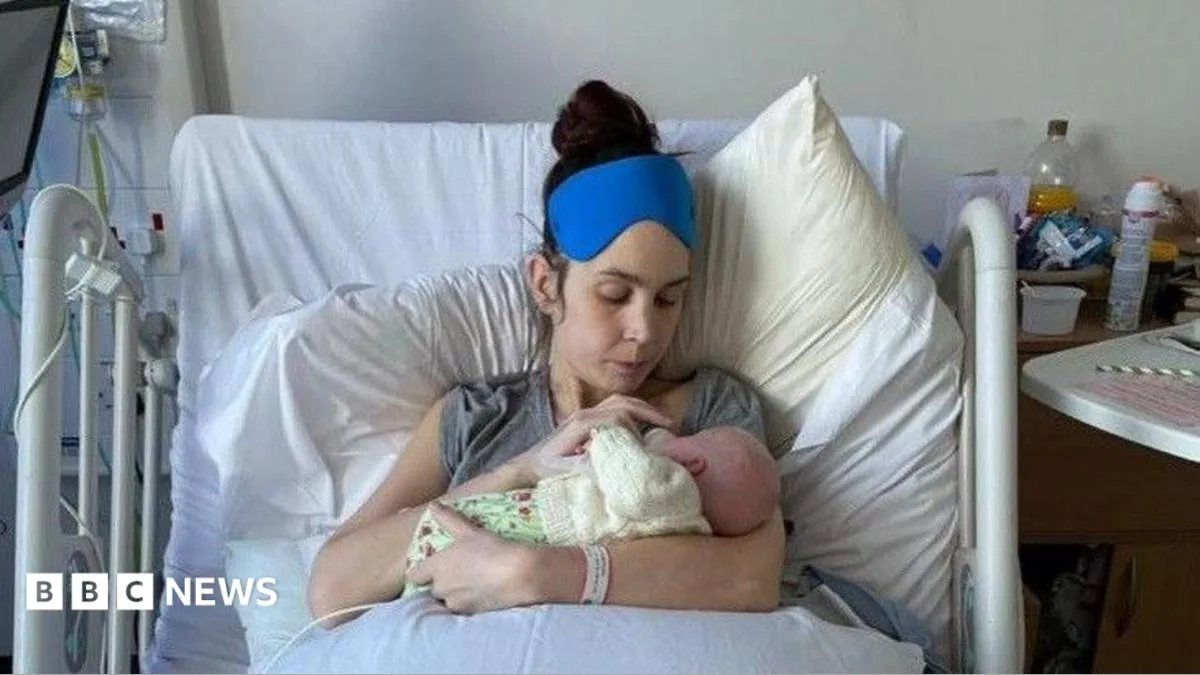
Scad involves a tear in the coronary artery and occurs in women at least 80% of the time. It often happens during or soon after pregnancy, making it especially important for doctors to recognise quickly.
Blood test changes aim to catch more women earlier
The new guidance also lowers the threshold for diagnosing any type of heart attack in women using troponin, a protein released when the heart is injured or damaged. Until now, women were expected to reach the same troponin level as men before receiving a diagnosis.
Cardiologists involved in the change say that using the same average threshold has contributed to a systematic bias against women, because it can pick up men more reliably while missing some women. Prof Nicholas Mills of the University of Edinburgh said the blood test is used for every type of heart attack in emergency departments around the world and must be applied correctly.
He led the international taskforce that agreed the new approach and said the goal now was to implement it as widely as possible, including in the UK. The guidance was published in the European Heart Journal.
A global cardiology agreement with UK implications
The new definition was drawn up by the European Society of Cardiology, the American College of Cardiology, the American Heart Association and the World Heart Federation. Their agreement creates a single framework for describing, classifying and explaining heart attacks to patients across different health systems.
Prof Mills said it was the first time the world’s cardiology groups had come together to align how the diagnosis is defined. He described it as a revolution that should make care better for patients everywhere.
For British clinicians and patients, the change is intended to improve recognition of less common heart attacks and reduce avoidable delays. The hope is that women in particular will be more likely to get the right diagnosis and treatment the first time they seek help.
The latest UK news and stories from Bailey Universe.