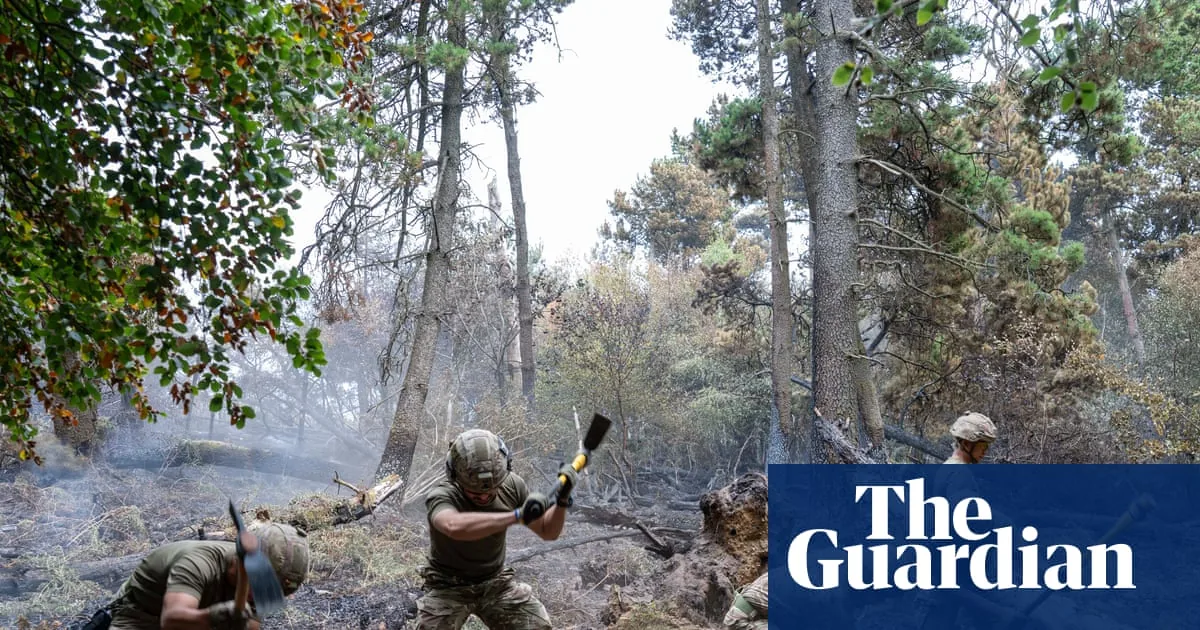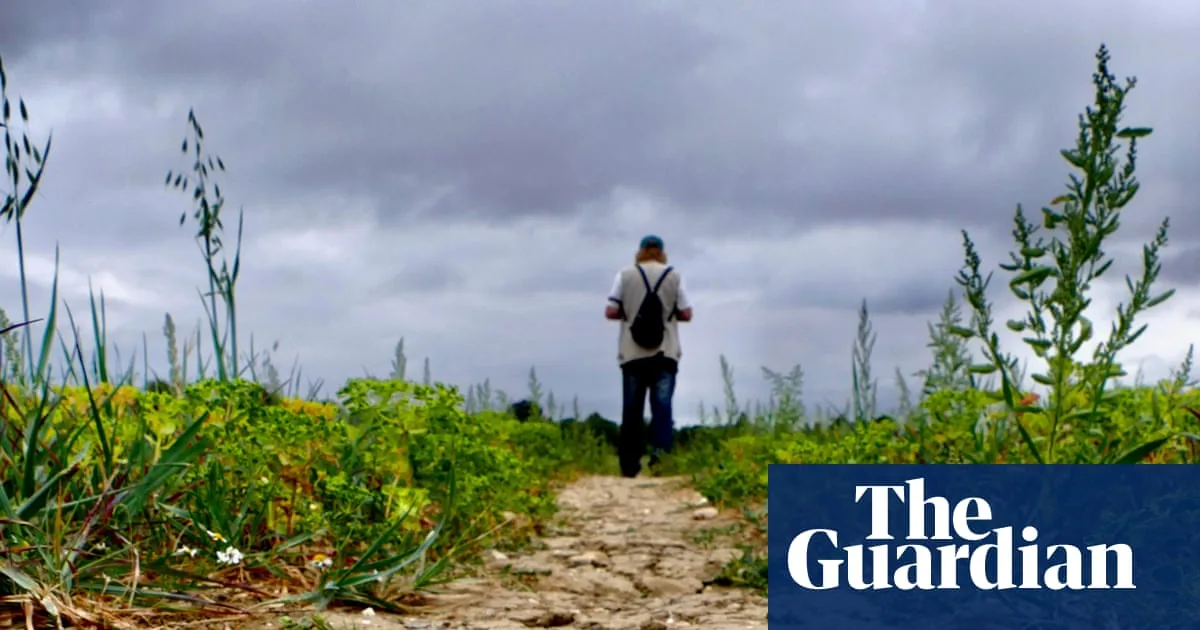
LONDON — Heavy rain is forecast to sweep across parts of the UK this week, raising the risk of surface water flooding even as drought conditions continue to grip large areas. The Met Office said some places will get the first meaningful rainfall in a long time, but that will not be enough to reverse the pressure on rivers, reservoirs, wildlife and farming. In the south-east, water firms are still dealing with critically low storage levels and restrictions on use, while firefighters may welcome some relief from wildfire conditions. Forecasters say the change to wetter, cooler weather will be closer to normal August conditions, after the latest heatwave.
Met Office warns showers could bring local flooding on baked ground
The Met Office said showers were expected on Tuesday in the north of the UK, especially the north-west, before a band of rain moved into the south-west by the evening. That rainfall should then spread east across southern areas, bringing the first widespread wet spell to places that need it most. Deputy chief forecaster Mike Silverstone said Thursday was likely to see heavy showers across much of the country, although some areas will miss them entirely.
He warned that intense downpours on very dry and hardened soil could lead to surface water flooding. The main issue is that parched ground will not absorb rain quickly, so water may run off instead of soaking in. That means the same weather that offers some relief to dry land could also create short-term flood problems in some communities.
Water companies keep restrictions in place as supplies remain strained
South East Water told customers in Kent to use water only for essential purposes after taps ran dry for about 8,000 customers on Monday. By Tuesday, supplies had been restored to 7,400 homes in Herne Bay, Rough Common and Blean, but around 400 properties were still without water and the company said storage tanks remained critically low. A spokesperson for the Department for Environment, Food and Rural Affairs said the situation was simply not good enough and urged South East Water to cut leaks faster and follow drought plans more effectively.
Wessex Water also imposed the latest hosepipe ban in England, affecting 1.4 million customers across Bath, Somerset, Dorset and Wiltshire. It is the company’s first ban since the summer of 1976. The company said higher demand during dry weather, along with longer-range forecasts, meant resources had to be protected for customers and the environment.
Reservoirs and rainfall data show drought pressure will last into autumn
Environment Agency data published on Friday showed five of England’s key reservoirs were exceptionally low, while the National Hydrological Monitoring Programme said low water supplies were likely to continue into the autumn. Thames Water has also told customers to keep limiting use. In an update on Tuesday, it said household demand had fallen by 3% across London and by more than 6% across the Thames Valley and home counties since its hosepipe ban came in on 23 July.
The company said July rainfall in the Thames catchment area was under 1mm, equal to 2% of the long-term average. Customers used about 100 million litres more water a day than normal, which has put extra pressure on rivers, reservoirs and the wider network. London reservoir storage is at 74%, lower than would normally be expected at this point in the year.
Experts say sustained rain is needed before rivers and vegetation recover
Liz Stephens, professor of climate risk and resilience at the University of Reading, said it could take many weeks of sustained rainfall before vegetation recovers and rivers and reservoirs return to normal. She said the south-east is still about a month’s worth of rain below what would usually be expected by this point in the year, despite heavy rain earlier in the year.
Stephens said rain this week may help reduce immediate wildfire risk, but that hosepipe bans are likely to stay in place for some time. She added that floods can still happen during drought because baked soils are unable to absorb rain quickly, making surface water flooding more likely when intense showers arrive.
The latest UK news and stories from Bailey Universe.