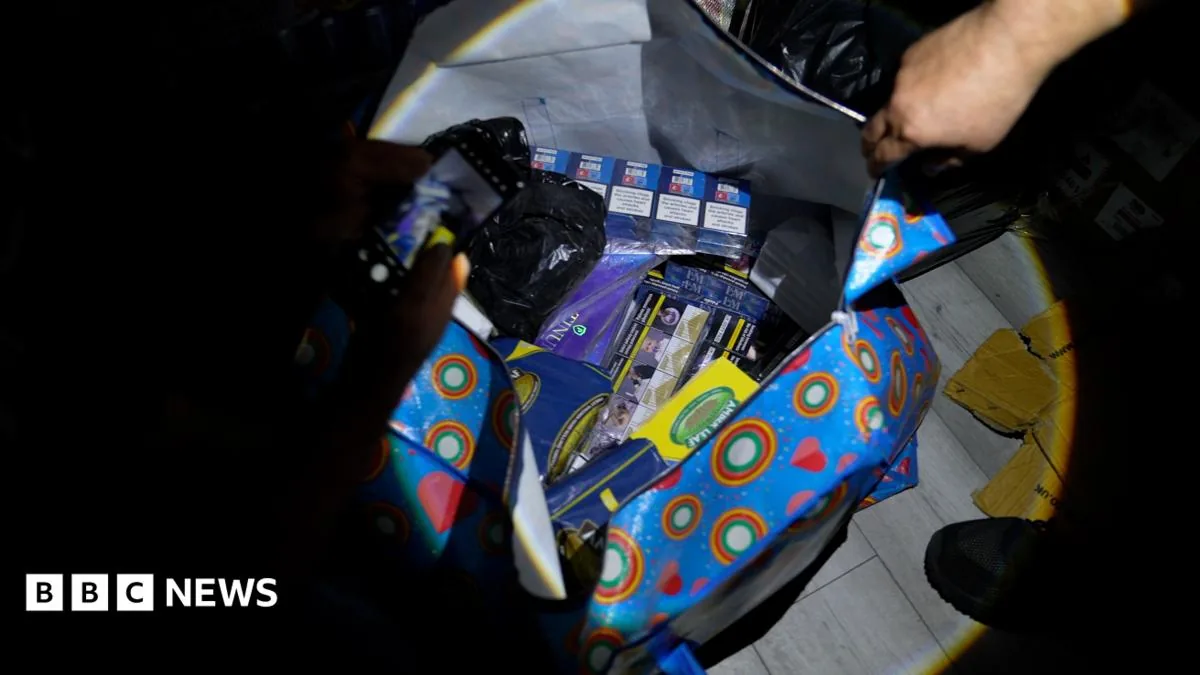
INVERNESS — The illegal tobacco trade is continuing to put pressure on legitimate shops in Inverness, where traders say the scale of the problem is affecting business on the High Street. The issue is linked to organised crime and the wider challenge of stopping illicit cigarettes and other tobacco products from being sold outside the law.
BBC coverage of the problem shows how hard it can be to shut down the trade once it takes hold. For shopkeepers who follow the rules, the concern is not only lost sales but also the unfair competition created by sellers who avoid tax and regulation. Enforcement agencies face a difficult task because the market can move quickly and operate in different locations.
How illicit tobacco undercuts lawful retailers
Legal shop owners say the trade cuts directly into their business because illicit tobacco can be sold more cheaply than products bought through normal channels. That price difference is one of the main reasons the illegal market remains attractive to buyers, even though the goods are outside the law.
For retailers trying to keep pace on a busy High Street, the impact is felt in day-to-day trading. They must meet tax, licensing and safety requirements, while illegal sellers can avoid those costs. The result is a market that can punish compliant businesses and make it harder for them to compete.
The BBC report places Inverness within a wider Scotland-wide problem, with the illegal tobacco trade described as part of a persistent struggle for local shops and enforcement teams.
Why enforcement remains difficult for authorities
Shutting down the trade is not simple because the products can be distributed quietly and repeatedly through different channels. Once one seller is stopped, the supply can reappear elsewhere, which makes long-term disruption harder than a single seizure or raid.
Organised crime is also part of the picture, which increases the complexity of the response. Authorities have to gather evidence, identify networks and act against people who may be operating in a coordinated way rather than as isolated traders.
That means tackling the issue is not just about finding illegal cigarettes. It also involves breaking the systems that let them circulate and reach customers on streets such as those in Inverness.
The broader impact on Scotland's High Streets
The problem reaches beyond one town because it affects the health of High Streets more generally. When illegal tobacco is easier to get than compliant goods, legitimate retailers can face shrinking margins and fewer customers, adding to wider pressures already affecting town centres.
The BBC’s focus on Scotland underlines how local traders see the trade as part of a bigger battle to keep High Streets viable. They are competing not only with online shopping and rising costs, but also with an illicit market that operates outside normal rules.
For communities, the concern is that a visible illegal trade can erode confidence in local shopping areas. Retailers say that makes the need for sustained enforcement even greater, rather than one-off action that fades quickly.
What the BBC report shows about the ongoing challenge
The report suggests there is no quick fix for the illegal tobacco trade in Inverness or elsewhere in Scotland. The problem combines consumer demand, organised criminal supply and the difficulties of policing a market that can shift rapidly.
That leaves legitimate shopkeepers and enforcement agencies facing a long-term task. The trade can be interrupted, but the wider network appears able to adapt, which is why the problem remains a recurring concern for local businesses and High Street campaigners.
For now, the story is less about a single incident than a continuing struggle over who controls the tobacco market and what that means for lawful traders in towns and cities across Scotland.
The latest UK news and stories from Bailey Universe.