LONDON — Involving a patient’s family and friends in mental health treatment can make psychiatric hospital admission three times less likely, according to a major study.
The research, published in The Lancet Psychiatry, also found that people treated through the approach rated their recovery and quality of life more highly than those given standard care.
The method, known as Open Dialogue, is being tested in five NHS trust areas and centres on regular meetings with clinicians and the patient’s chosen support network. The trial did not find fewer relapses, and some specialists say more evidence is still needed before its wider impact can be judged.
How Open Dialogue changes mental health care
Open Dialogue was first developed in Finland in the 1980s and is now used in more than 20 countries. The approach is designed to keep the same clinicians involved, focus on the patient’s priorities and bring in the people closest to them from the start.
Instead of a series of separate appointments, patients take part in “network meetings”. These include two Open Dialogue practitioners and may also involve family members, friends, neighbours or colleagues. The aim is to create an open conversation about symptoms, support and next steps, while also allowing others to describe what they have noticed and how they are affected.
Dr Bill Travers, who works with the approach at North East London NHS Foundation Trust, said the meetings are longer than a normal appointment but often mean fewer sessions overall.
What the trial found across 500 patients
The study, led by University College London, involved 500 people who had approached mental health services in crisis. They were split into two groups: one received Open Dialogue and the other standard treatment.
Researchers found no significant difference in whether patients relapsed. However, those in the Open Dialogue group were much less likely to be admitted to psychiatric hospital, and the time they spent as inpatients was roughly halved compared with people receiving usual care.
Dr Russell Razzaque, the trial’s clinical lead, said the reduction in inpatient care could have important consequences for the NHS because hospital beds are the most expensive part of the system. He said more care in the community may cost more time, but that is in line with what the NHS wants to deliver.
Personal experience from east London
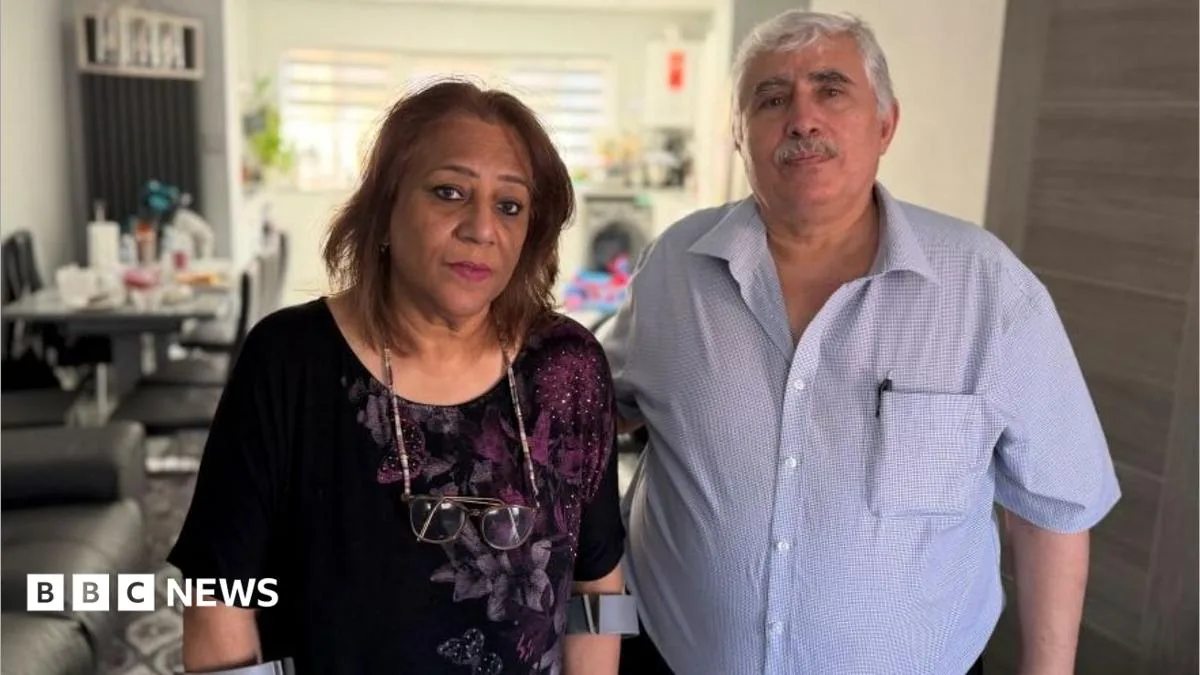
One patient who has benefited from the approach is Dr Nihad Fathi, whose mental health deteriorated during the Covid pandemic. By the following summer, pressures at work had left him anxious, depressed and feeling worthless, and he said he contemplated ending his life.
His wife, Farah, said the period was terrifying because she did not know what to do. In one of their sessions in east London, the couple sat in a circle with consultant psychiatrist Dr Bill Travers and community psychiatric nurse David Adebayo.
They have worked with Nihad for five years, and North East London NHS Foundation Trust has been using Open Dialogue with some community patients since 2019. Farah said the approach worked because somebody listened properly to her husband and tried to understand what he was going through.
What critics say about the evidence
Although the trial reported better patient-reported wellbeing and recovery, not everyone is convinced the results prove the model itself is responsible for the gains.
Consultant psychiatrist Dr Sameer Jauhar said the apparent benefits may be linked to the extra resources used in the study rather than to the distinctive elements of Open Dialogue alone. He said the key question is whether the model adds anything beyond properly staffed community mental health care, and said that issue remains unresolved on the current evidence.
Researchers and clinicians involved in the trial say the findings could still influence how psychiatric care is organised, especially if fewer hospital admissions can be achieved while keeping patients supported in the community.
The latest UK news and stories from Bailey Universe.