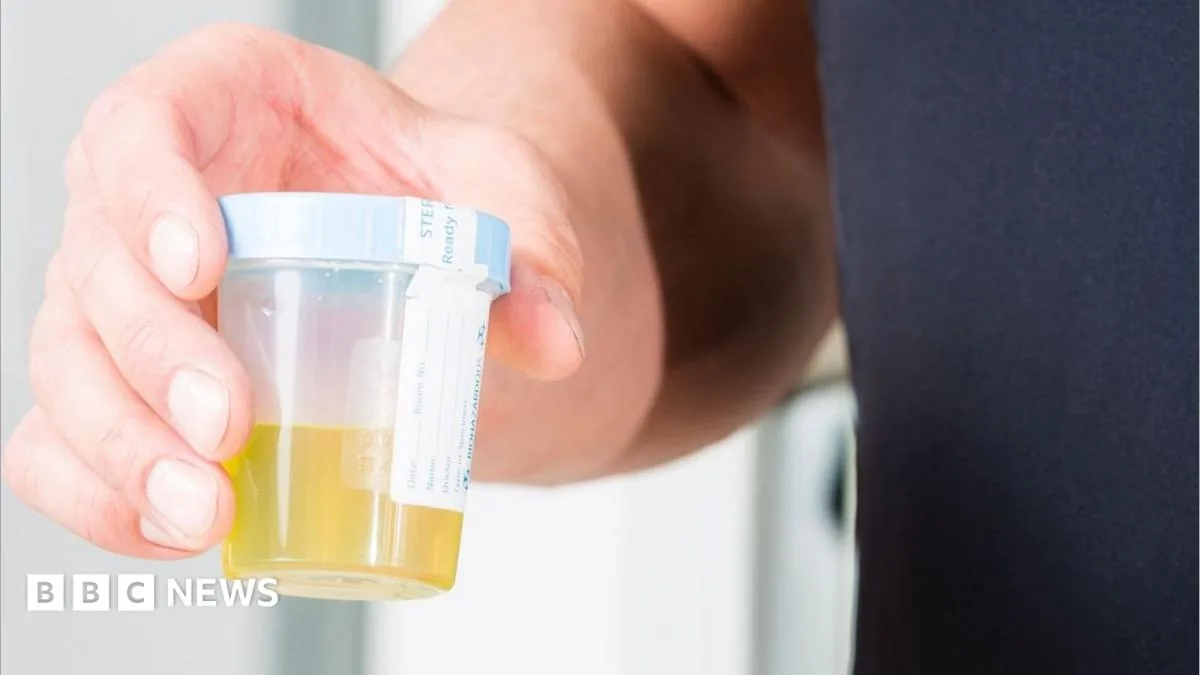
BIRMINGHAM — An at-home urine test being trialled by the NHS has detected more than nine in 10 bladder cancers in the latest findings, according to researchers.
The study involved nearly 1,000 patients across seven hospitals in England and Scotland and was led by the University of Birmingham with diagnostics company Nonacus. The results, published in European Urology Oncology, suggest the test could help doctors decide which patients need urgent follow-up and which may be less likely to have the disease.
Researchers say the approach could reduce the number of people needing cystoscopies, which are more invasive procedures that use a small camera inserted through the urethra into the bladder.
How the urine test performed in the NHS trial
The Galeas urine test identified 92% of bladder cancer cases in the trial, while a negative result carried more than a 99% chance that the patient did not have bladder cancer.
Researchers say that level of performance means the test could be useful as a triage tool rather than a replacement for cystoscopy. In practice, that would mean people with a higher risk result could be prioritised for urgent investigation, rather than everyone waiting for the same type of appointment.
The test looks for genetic material shed into urine by bladder cancer. It was developed to detect more than 450 DNA mutations linked to the disease across 23 genes, giving clinicians a wider set of markers to analyse than a simple single-target test.
Why researchers think it could ease pressure on cystoscopy waiting lists
More than 300,000 cystoscopies are carried out in the UK every year, and there are significant waiting lists in some areas. Researchers say a more accurate way of sorting patients before they reach that stage could help hospitals manage demand more effectively.
The test is designed to make the process more convenient for patients, too, because it can be done at home rather than in a clinic. That could be especially valuable for people who face repeated checks or who might otherwise have to travel for a procedure that can be uncomfortable and time-consuming.
If larger studies confirm the findings, scientists say tens of thousands of patients a year could be spared an invasive test. The urine test would still sit alongside, rather than replace, existing diagnostic pathways for bladder cancer.
What the scientists and cancer charity are saying
Prof Richard Bryan, a co-author from the University of Birmingham, said it was exciting to see what he described as very promising early performance in a large real-world patient population after years of work on the science.
The test was originally developed by the university with funding from Cancer Research UK and later commercialised by Nonacus under a licensing agreement. Part of the revenue is paid back to the university and the charity.
Michelle Mitchell, chief executive of Cancer Research UK, said too many people were waiting longer than they should for a bladder cancer diagnosis. She said further research was needed, but added that it is vital to keep finding faster and less invasive ways to diagnose or rule out cancer.
Bladder cancer symptoms and why early diagnosis matters
Bladder cancer is more common in men over 60, and the main symptom is blood in the urine. Doctors say the seriousness of the illness depends on how large the cancer is and whether it has spread elsewhere in the body.
Because of that, researchers and cancer charities continue to stress the importance of early detection. The hope is that tests like Galeas could help shorten the time it takes to reach a diagnosis, particularly for patients who currently face delays before an invasive procedure is arranged.
The latest findings are encouraging, but the researchers say more work is needed before the test could be used more widely across the NHS.
The latest UK news and stories from Bailey Universe.