LONDON — Booking.com has been criticised by consumer group Which? after researchers were able to create a fake listing for 10 Downing Street, request a stay at the prime minister’s address and even leave a bogus review. Which? said the platform kept the listing online for two months despite clear signs it was not genuine. The watchdog described the result as proof that the company’s protections were “unfit for purpose”, while Booking.com said the exercise was not representative of the millions of legitimate listings on its site.
According to Which?, the fake property was uploaded on 18 June and removed only on 27 August. During a 20-minute window when the listing was visible, 14 people asked to book it. Which? said only the request from one of its own researchers was accepted. The group also said its team was sent a message through Booking.com’s system asking them to click an external link to confirm payment details, which it said should have been blocked.
How the fake 10 Downing Street rental was set up on the site
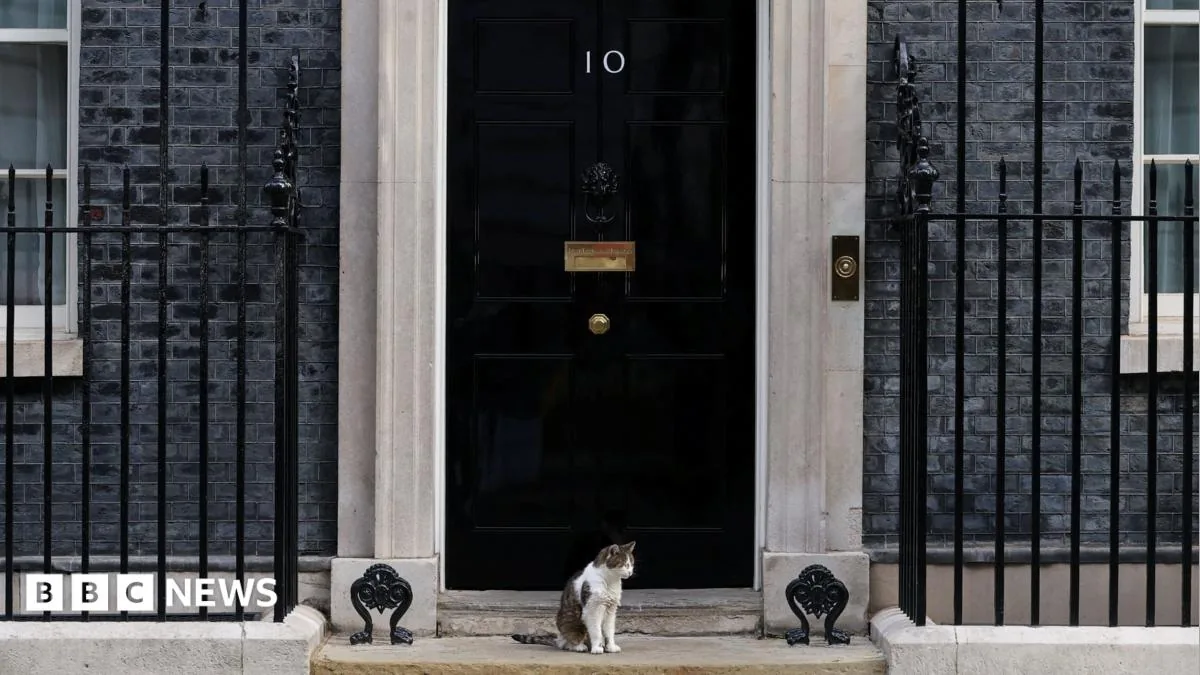
Which? said the listing appeared as a “1 bedroom apartment in the heart of London” and used images of the famous front door at 10 Downing Street. The description presented it as a “prime city centre location”, despite the property being the home of the UK Prime Minister. The watchdog said the listing was created as part of a test to see how the travel site handled a clearly false entry.
Its researchers were able to open a short booking window, during which people could see the fake property and ask to reserve it. That was enough, Which? said, to show how easy it can be for fraudulent material to gain visibility on a major booking platform. The group added that the booking process and messaging tools both seemed to let the false entry progress further than they should have done.
Which? also said the fake review it posted was allowed to remain visible despite being obviously jokey in tone. The review said: “It was unbelievable that Booking.com let us stay at 10 Downing Street – the home of the UK PM!”
Consumer group says scammers can exploit weak online checks
Rory Boland, Which? Travel editor, said the platform’s checks had been shown to be “unfit for purpose”. He argued that if artificial intelligence systems could not spot that 10 Downing Street was not a holiday let, it was no surprise that scammers could use the same weaknesses to target holidaymakers. Which? said bogus listings and phishing links can leave customers thousands of pounds out of pocket.
The consumer group said the issue was not just about one odd test case, but about the broader risk of fraud on booking sites. It said customers had previously accused the company of failing to protect them from cyber-criminals. Booking.com said fraud affects many industries and claimed 80% of UK adults believe scams are becoming more sophisticated.
The company said it uses “a range of checks and verification measures” and that artificial intelligence helps it detect and remove most fraudulent listings within 24 hours. It added that in this case the listing was not live on the site for the full period, so some automatic fraud controls were not triggered to remove the closed listing.
Which? wants faster removals under the Online Safety Act
Which? said booking platforms should be forced to remove fake listings more quickly under the Online Safety Act. The law requires firms that have identified illegal content, including fraudulent material, on their services to show they are committed to taking it down. The watchdog said Ofcom, which enforces the Act, should use its powers to crack down on platforms that leave users exposed to fraud.
Booking.com said it gives customers visible reminders not to click links they are unsure about, and that booking confirmations include guidance such as details of the agreed payment schedule. It also said the external link sent in this test was not flagged or removed because the listing itself was not live in the usual way. The company said it continues to strengthen its defences against fraud.
An Ofcom spokesperson told Which? that platforms already have legal duties to remove illegal user-generated content swiftly once they become aware of it. Which? said the fake 10 Downing Street listing showed why those duties matter for ordinary customers trying to book safely online.
The latest UK news and stories from Bailey Universe.