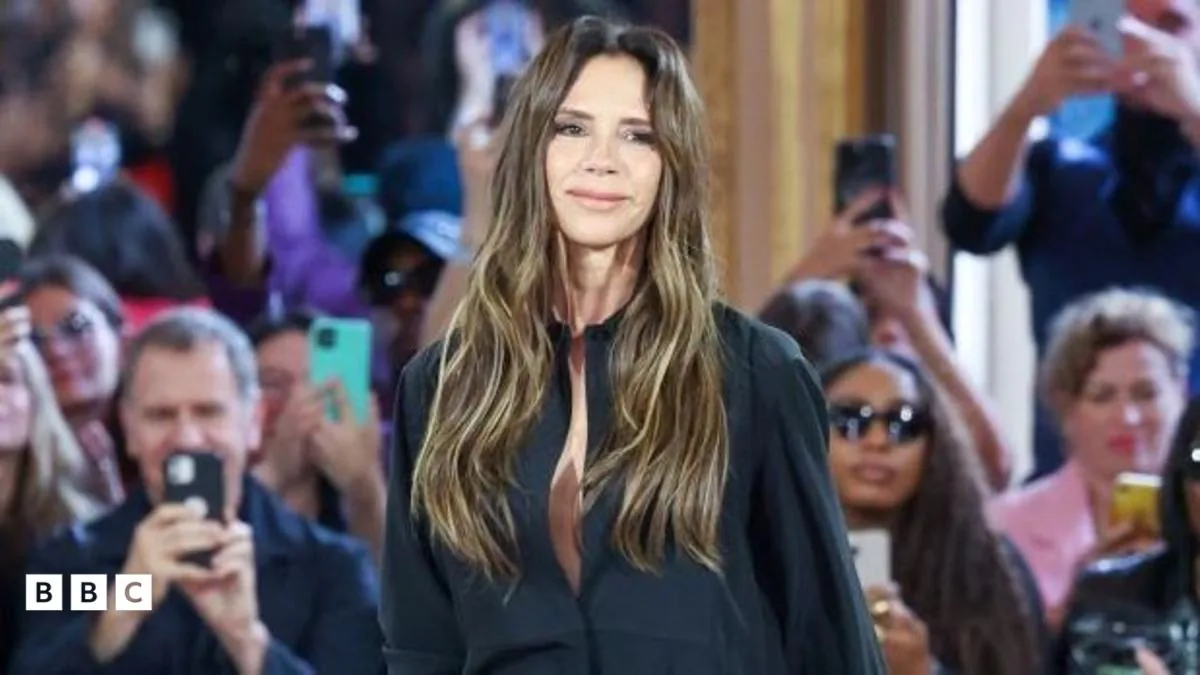
LONDON — Victoria Beckham’s fashion and beauty business has reached profitability after almost two decades of losses, posting an operating profit of £7.3m for 2025. Sales rose 15% to £129.8m, marking a turning point for the company that she has led as creative director since its launch.
The business described the result as a significant milestone and said growth has continued into this year with another double-digit rise in revenues. For a brand that spent years battling heavy losses, the numbers point to a sharper commercial footing as it seeks to keep expanding in luxury fashion and beauty.
How the label got from heavy losses to the black
Beckham has said the company was once tens of millions of pounds in the red, with wasteful spending that included a flower budget of £70,000 a year. In a Netflix documentary, she spoke openly about the strain of watching debts pile up and said she had feared losing everything.
She also recalled crying before going to work because she felt like a firefighter constantly dealing with problems. David Belhassen, founder of Neo Investment Partners, said that when he became involved in 2017, he had to insist on a full restructuring and warned the process would be painful. The company’s turnaround has taken 18 years in total.
Industry experts say fashion labels often need years before they make money. Stacia Bedford, course leader at the London College of Fashion, said building a typical brand can take between three and five years, and that success usually depends on keeping collections lean and attracting investor attention with real traction.
Beauty products have become the main growth engine
The label has moved beyond clothing, shoes and handbags into beauty, and that shift has proved central to the business. Beckham launched her beauty range in 2019, and it is now thought to account for around two-thirds of total revenue.
Cosmetics are often more profitable than luxury fashion and can give customers an easier way into a premium brand. Beckham has said she personally wear-tests the products and often creates items she wishes were already in her make-up bag, a hands-on approach that has become part of the appeal.
She has also pointed to strong demand for individual products. According to Beckham, one Satin Kajal eyeliner sells every 30 seconds, while Foundation Drops reportedly had a waiting list of 20,000 people in June.
Personality and openness have helped rebuild the brand
Observers say Beckham herself has become a more visible part of the label’s identity. Videos showing her demonstrating products, often with wet hair and filmed in what appears to be her bathroom, have given the business a less distant feel without dropping its luxury image.
Lisa Maynard-Atem, a business strategy adviser, said that adding personality has helped customers connect with the brand emotionally as well as commercially. She added that Beckham’s openness about the losses and mistakes made the eventual turnaround more believable because the setbacks were not hidden from the story.
Even so, the company’s long-term success is not guaranteed. Bedford said luxury fashion remains highly competitive and that future performance will depend on continued innovation and the role of the creative director. For Beckham, the latest figures show a major milestone, but also the challenge of sustaining it.
The latest UK news and stories from Bailey Universe.