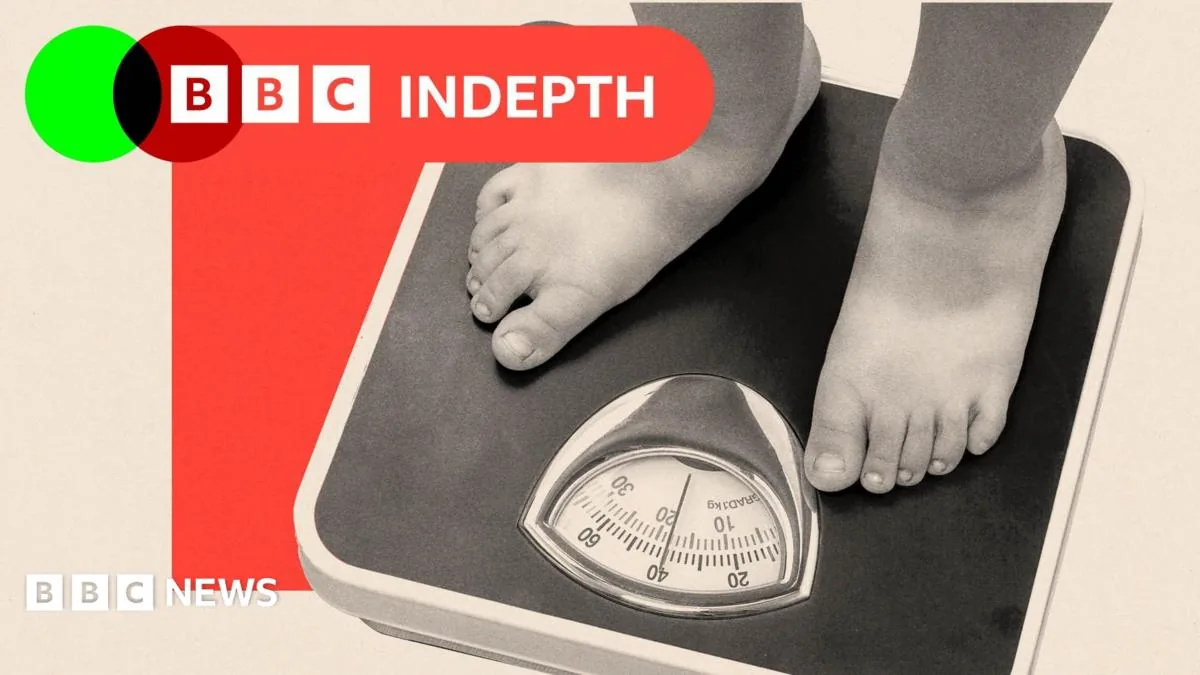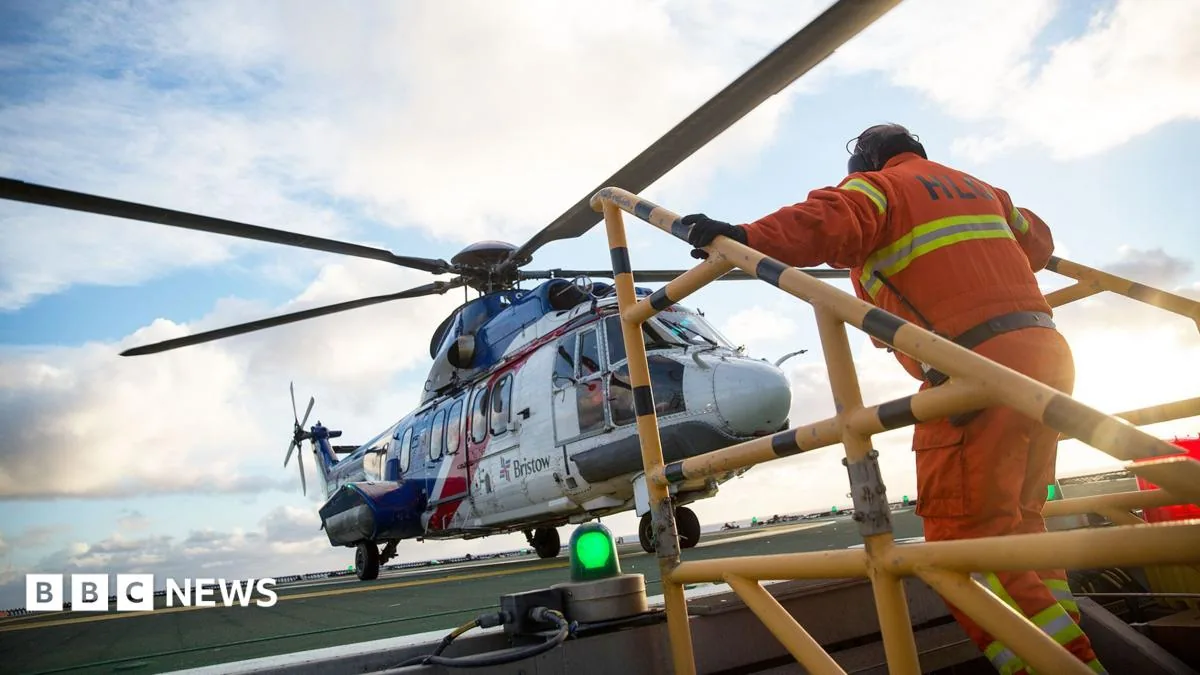
ABERDEEN — Hundreds of North Sea workers are still above the new weight limit for offshore helicopter travel, with less than two months left before the rules become mandatory. From 1 November, passengers must weigh no more than 124.7kg in their clothing and footwear so they can be winched to safety in an emergency.
When the policy was first announced by industry body Offshore Energies UK, more than 2,200 workers were said to be over the limit. Latest figures now suggest up to 800 still need to get below it. The issue has raised concern about possible job losses, while some workers have already left offshore roles rather than try to meet the target.
Why the new offshore weight limit was introduced
The change follows warnings from the Maritime and Coastguard Agency that helicopter rescue winches cannot safely lift heavier people during offshore emergencies. The 249kg maximum winch load for a Coastguard helicopter is based on the passenger’s maximum clothed weight, plus the average weight of a rescue worker, stretcher and equipment.
OEUK says the average weight of offshore workers has risen by almost 10kg since 2008. Its clothed-weight measure uses the industry travel clothing policy for the relevant season, including shoes. The new standard was introduced after a lengthy review by industry experts, following earlier rules on shoulder width for helicopter passengers.
Workers with a shoulder width of 22in or more were previously classed as extra broad and had to sit beside a large helicopter window so they could escape more easily.
How many workers still need to lose weight
Updated OEUK figures suggest about 3.4% of offshore workers are still above 124kg, down from an estimated 4.7% in 2022. The latest numbers are based on more than 35,000 offshore traveller records gathered between April and August.
That means hundreds have already moved below the threshold, but hundreds more remain above it. Graham Skinner, OEUK’s health, safety and security manager, said there are still between 500 and 800 workers who need to reduce their weight before the deadline. He said the downward trend was encouraging, but warned there was still a great deal of work to do before 1 November.
He added that anyone arriving at the heliport above 124kg on that date will not be allowed to travel offshore for work.
Doctors and employers weigh up the consequences
Aberdeen-based occupational health physician Dr Niyi Adeleke said the rules have been a major talking point among offshore staff since they were announced last year. He said anyone above the limit will not receive the medical certificate needed for offshore work.
He said responses have varied, with some workers feeling anxious and asking what they can do to lose weight. Others are considering weight-loss injections, while some have decided to leave the offshore sector. Dr Adeleke said a number of workers are trying to slim down, although some are doing it too quickly through long fasts, which he said is not sustainable.
Employment specialist Will Rollinson, of law firm Brodies, said companies would need to consider support before any dismissal. He said alternative onshore work could be explored, although job termination may still be possible if someone cannot meet the safe weight limit after a proper process.
Companies urged to use the remaining weeks
OEUK says it is still trying to keep the numbers moving in the right direction, but the window is narrowing. Skinner said the policy is designed to protect workers in several situations, from helicopter travel to confined-space work and working at height, as well as improving the chances of a successful rescue.
He said the organisation does not want people to think the change will disappear. Instead, he urged workers who have not started yet to begin now, saying it would still be possible to meet the standard with effort over the remaining eight weeks.
Despite the challenge, he said OEUK wants affected workers to remain part of the workforce. The policy becomes mandatory on 1 November.
The latest UK news and stories from Bailey Universe.