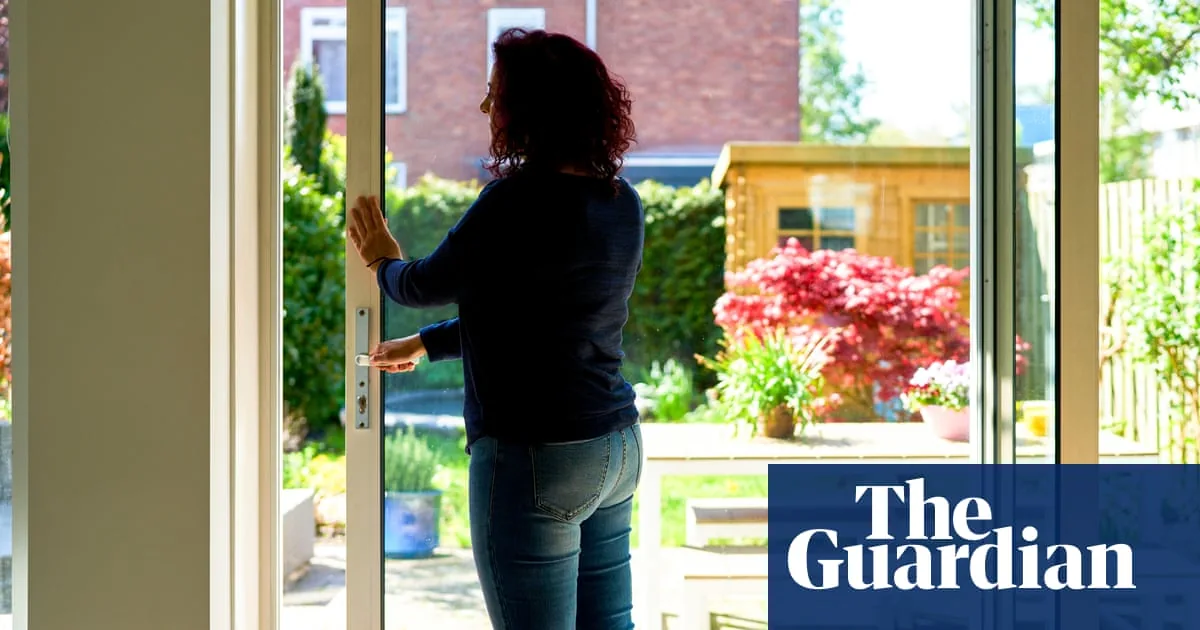
BOURNEMOUTH — Locksmiths are seeing a sharp rise in calls from customers whose doors will not open, close or lock properly after months of very hot weather across much of the UK.
Alan Hickman, a Bournemouth-based locksmith who works around the New Forest, said he has been dealing with repeated callouts involving patio doors that will not shut, composite doors that will not lock and other doors that have started sticking in the heat.
He said the number of jobs felt roughly double the usual rate on some days, with the summer bringing a clear increase in heat-related problems for customers.
The issue is not confined to one area. Trade bodies and locksmiths say the same pattern is being reported in places where temperatures have been highest, with heat affecting a range of door types in different ways.
Why heat makes uPVC and composite doors stick
Steffan George, managing director of the Master Locksmith Association, said extreme temperatures can cause materials used in doors to expand, especially uPVC and parts of composite doors.
When that happens, the door can bind against the frame, making it harder to open or close. He said the problem is more likely when a door faces south or is painted a dark colour, because those conditions absorb more heat.
A recent MLA Facebook post on the problem, titled Why is my uPVC door difficult to lock?, attracted tens of thousands of views, around 50 times the usual traffic the organisation gets for its posts. George said that suggests many people are searching for exactly this type of advice.
He added that locksmiths are familiar with the issue and are seeing it regularly this summer as temperatures remain unusually high for long periods.
Timber doors are also shifting in the dry weather
Wooden doors are being affected too, but for the opposite reason. Shane Hales, an MLA-affiliated locksmith in Sidcup, Kent, said timber can shrink in hot weather as moisture is drawn out of the wood, particularly if the door has not been well maintained or painted.
That movement can cause the door to drop or move out of alignment, putting extra strain on locks and making them stiff or impossible to operate.
Hales said he would normally carry out four or five heat-related door adjustments a week, but at the moment that figure is closer to 10. He described it as a very busy summer for this kind of work.
The pattern shows that the problem is not limited to one material. Whether a door is plastic, composite or timber, high temperatures can create enough movement to stop the lock and frame working together properly.
How locksmiths say homeowners can avoid worse damage
Locksmiths say most sticking doors can be put right fairly quickly, usually by realigning the door or adjusting the hinges if needed. But they warn that delaying a repair can make the problem more expensive.
Hales said anyone who has to lean on a door, pull through the letterbox or force a mortice lock is a sign that something is wrong with the alignment.
He said forcing a key can snap parts inside the lock, which can then push up the cost of the repair. In his view, it is better to get professional help sooner rather than later rather than keep using extra force.
He also said the issue often comes down to poor maintenance. Some customers, he said, have not had a door serviced for years and simply keep forcing it shut, even though the underlying problem is getting worse.
Autumn and winter could bring the next round of faults
Locksmiths say the problems do not stop once temperatures fall. As the weather turns colder, a different set of issues can appear, with plastic becoming harder and more brittle and poorly sealed timber swelling again.
Hales said that is why it matters to keep locks and doors properly aligned before the seasons change. If they are left out of line, the same door can behave differently as temperatures rise and fall through the year.
He said many of the jobs he sees are linked to doors that have not been looked at for years. In some cases, customers only notice a problem after they have already been forcing the door shut for a long time.
The current surge in callouts, locksmiths say, is a reminder that prolonged heat can expose weaknesses in doors that might otherwise go unnoticed until they become a more costly fault.
The latest UK news and stories from Bailey Universe.