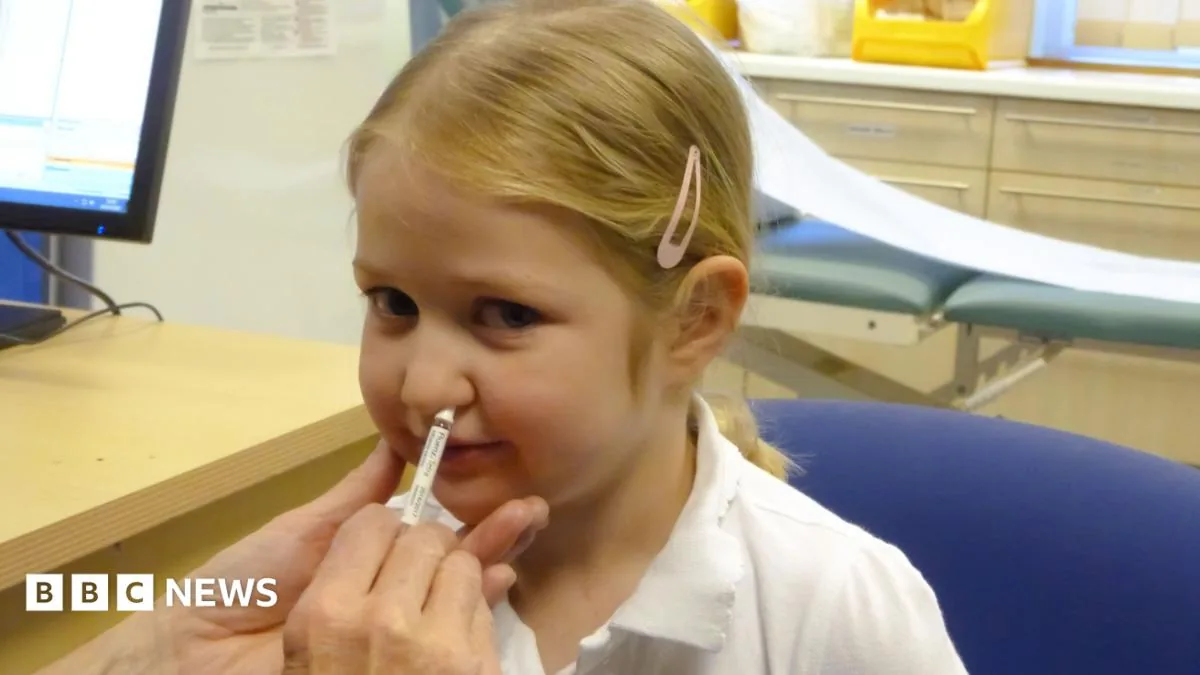
LONDON — The latest NHS flu vaccination campaign has started, with schoolchildren and pregnant women among the first to receive doses for winter. The jab has been updated to better match last winter’s mutated strain, known as subclade K or Super-K, after flu arrived unusually early and put extra pressure on urgent and emergency care services.
NHS England said the rollout is beginning earlier than in previous years because staff are preparing for winter while services are already under significant strain. The vaccine cannot give someone flu; instead, it helps the body recognise and fight the virus if exposure occurs later in the season.
Health leaders are urging everyone offered a vaccine to take it up, particularly after last winter’s difficult season.
Why NHS vaccinators are targeting children and pregnant women first
Children from the age of two and pregnant women can get their free NHS flu protection from Tuesday, with schoolchildren prioritised because they catch and spread flu easily. The NHS says vaccinating them also helps protect people around them, including babies, siblings and grandparents.
Children aged two and above usually receive the nasal spray version, while adults are given an injection. Only one dose is needed ahead of winter. Vaccinations are being delivered through schools, GP surgeries and High Street pharmacies, making the programme available in a range of local settings.
For families, the timing matters because flu can be particularly serious for young children and expectant mothers, even though anyone can catch it.
Who else can get a free flu jab and when they will be invited
Other eligible people will start receiving NHS invitations from October, either by phone or post. That group includes everyone aged 65 and over, people with certain long-term health conditions, care home residents, carers and people who live with someone with a weakened immune system.
Free jabs are also available to people who are experiencing homelessness or staying in a homeless hostel or night shelter. Those who do not qualify for a free vaccine can usually pay between about £10 and £20 for one.
The NHS says people do not need to wait until they feel unwell before thinking about winter protection. Flu can affect fit and healthy adults as well as older people and those with medical vulnerabilities.
How officials are judging this winter after last year’s early flu season
Last winter’s flu season began more than a month earlier than usual, and experts are still watching for signs of whether a similar pattern will emerge this year. Influenza viruses change constantly, which is why the vaccine is updated annually to keep pace with likely circulating strains.
Officials often look at flu activity in southern hemisphere countries such as Australia and New Zealand for clues about the UK season ahead. Their peak usually comes in July or August, and both countries have so far reported a relatively mild year.
NHS England said the vaccine has been tweaked this year, including one change designed to improve the match with subclade K. More adults are also being offered RSV vaccination this winter, with eligible patients invited at 65 rather than waiting until 75 if they have certain pre-existing conditions such as chronic lung disease.
What the NHS says about the strain on winter services
Dr Amanda Doyle of NHS England said last winter’s flu variant had a major effect on patients and placed enormous pressure on urgent and emergency care services across the country. She said that, with the NHS coming through its busiest summer on record, preparations for winter had begun earlier than ever.
She added that services are already under significant pressure, making it especially important for everyone who is offered a vaccine to come forward. The message from the NHS is that early protection could help reduce avoidable illness and ease demand when winter viruses begin to circulate.
The rollout now gives the health service a wider window to build protection before flu activity rises again.
The latest UK news and stories from Bailey Universe.